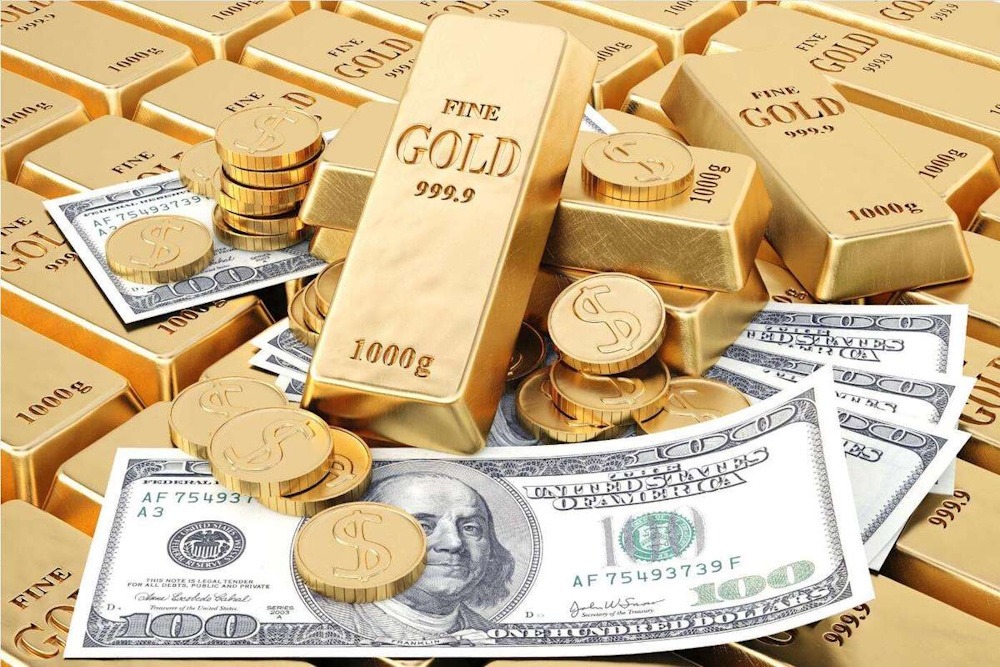
Gold prices declined on Thursday following a significant drop in the previous session, reaching a level not seen in over a year. This movement comes in the wake of strong US inflation data, which has bolstered expectations for an interest rate increase by the Federal Reserve in the upcoming month. Spot gold declined by 0.2% to $3,573.39 per ounce as of 0031, following a decrease of over 3% in the prior session. Bullion declined beneath the significant $3,500 threshold on Wednesday, marking the first occurrence of this since September 2025.
US gold futures for December delivery increased by 1.1%, reaching a price of $3,572.50. The US economy exhibited a more robust growth trajectory than previously projected in the third quarter, while inflation pressures intensified in October. This development bolsters the prevailing anticipation that the Federal Reserve will implement an interest rate hike next month, with further increases expected in early 2027. Markets are anticipating a rate hike at the Federal Reserve’s December policy meeting, with a 60% probability assigned to a more substantial, 50-basis-point increase in January, as indicated by CME’s FedWatch tool. The central bank last increased interest rates in September. Elevated interest rates heighten the opportunity cost associated with holding non-yielding bullion, thereby diminishing its attractiveness to investors.
Economic growth continued at a “slight to moderate” pace across the majority of the US in recent weeks, according to a Fed survey released on Wednesday, while inflation exhibited persistence and employment levels increased. Global stock markets experienced a decline on Wednesday, as riskier assets faced increased pressure following the Trump administration’s proposal of extensive new tariffs on 14 trading partners. Among other metals, spot silver rose 0.7% to $41.49 per ounce, platinum gained 0.5% to $1,287.53, and palladium climbed 1.1% to $871.25.