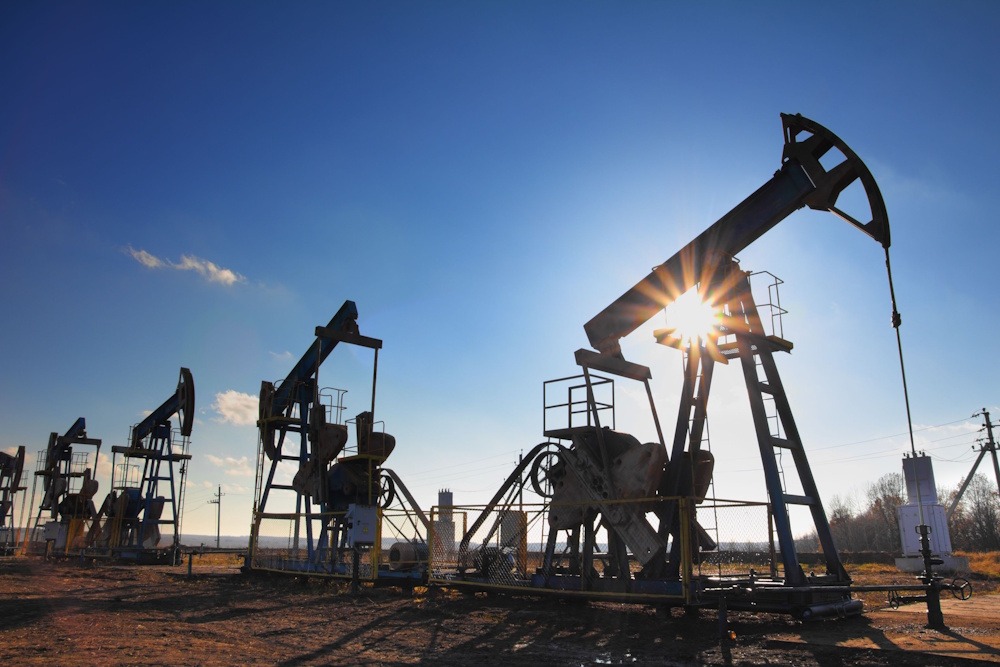
Oil prices experienced an uptick on Friday, driven by renewed concerns over Middle Eastern supplies following recent attacks on Saudi Arabia and reports of disruptions involving tankers in the Strait of Hormuz. The gains, however, were insufficient to avert both major benchmarks from trending toward a third consecutive weekly decline, as the resurgence of crude shipments through the strategic waterway bolstered expectations of a global supply surplus. Brent crude futures increased by 54 cents, representing a 0.55% rise, reaching a price of $92.60 per barrel. US West Texas Intermediate futures for December increased by 32 cents, or 0.38%, reaching $83.53 a barrel, while the more actively traded January contract rose by 20 cents, or 0.2%, to $82.64.
The Iran-aligned Houthi movement launched missiles at Riyadh, representing the most recent escalation in the kingdom’s conflict with the group and rekindling apprehensions regarding the security of regional oil supplies. Concerns regarding supply were exacerbated by reports of incidents involving commercial vessels in the Strait of Hormuz. Two oil tankers struck naval mines in the strategic waterway and “exploded” and “are burning,” as reported by Iran’s Revolutionary Guards Navy, according to source. The market is also anticipating the upcoming OPEC+ meeting, where ministers are set to engage in discussions on November 29 to determine the group’s output policy for 2027. OPEC+ consists of the Organization of the Petroleum Exporting Countries along with its allied nations, notably including Russia. The magnitude of the disruption stemming from the Middle East conflict is prompting broader enquiries regarding future global energy demand. The International Energy Agency stated on Thursday that the conflict has resulted in the most significant disruption to global oil and gas trade in history.
It cautioned that worldwide oil demand might decline by over 4% by 2035 if governments take action by hastening electrification, enhancing energy efficiency, and transitioning to alternative fuels. Earlier this month, Goldman Sachs raised its projections, cautioning that Brent crude could ascend to $140 a barrel by 2027 should Gulf oil production continue to fall markedly below its 2025 average. The bank has adjusted its December Brent forecast upward to $105 a barrel, a revision from the previous estimate of $90. Similarly, the WTI projection has been raised to $94, up from $81. In a more optimistic scenario, Brent could reach $140 a barrel and average around $130 in 2027, assuming Gulf oil production stays 3.5 million barrels per day below its 2025 average, as reported by source. Goldman Sachs anticipates that geopolitical uncertainty will necessitate a higher risk premium in oil prices.
Its evaluation indicates the potential for additional interruptions to Middle Eastern supplies, the historical length of significant supply shocks, and the challenges associated with achieving a sustainable diplomatic resolution. Analysts have underscored the uncertain path of the conflict, noting that it is challenging to ascertain how the war will progress. The bank had initially anticipated that the US administration would refrain from surpassing specific economic thresholds. However, seven months into the conflict, several of those thresholds have been breached, with no clear strategy yet in place to bring the war to an end. According to the broking, oil markets will persist in balancing the potential for supply disruptions with the industry’s capacity to adapt. Its base-case outlook posits that Middle Eastern oil supplies will surpass their 2025 average, bolstered by initiatives such as ship-to-ship transfers and enhanced pipeline capacity. Simultaneously, production growth in other regions is anticipated to stagnate.