Despite expectations of a supply glut, oil prices saw minor declines on Monday but stayed above $95 a barrel as shipments from the Middle East through the Strait of Hormuz nearly returned to their pre-war levels and the US took action to facilitate the movement of petroleum cargoes between domestic ports. At $95.36 per barrel, Brent futures fell 48 cents, or 0.48%. US West Texas Intermediate crude dropped 23 cents, or 0.26%, to about $88.33. The benchmarks dropped 16% and 13%, respectively, in the preceding week.
Despite continued attacks on ships, the International Energy Agency reported on Friday that the global oil market will revert to a surplus in the fourth quarter of this year as Middle East supplies recover more quickly than the world’s oil demand. According to the IEA, the average oil supply in the fourth quarter will be about 105 million barrels per day, which is 1.7 million bpd more than the anticipated demand. It had predicted a supply shortage in the fourth quarter. “For the first time since the US-Iran conflict began, traders are actively contemplating the possibility of excess supply rather than persistent tightness. That shift in narrative is clearly dampening the tone,” source quoted Tim Waterer.
Oil prices were further lowered today by the US decision to renew a waiver of a shipping restriction, making it easier for foreign-flagged ships to move fuels like petrol and diesel between US ports. According to a White House official on Friday, US President Donald Trump extended a 90-day relaxation of the Jones Act, which mandates that ships flying the US flag transport goods between US ports. The number of tankers available to transport goods between US ports increases if the rule is waived.
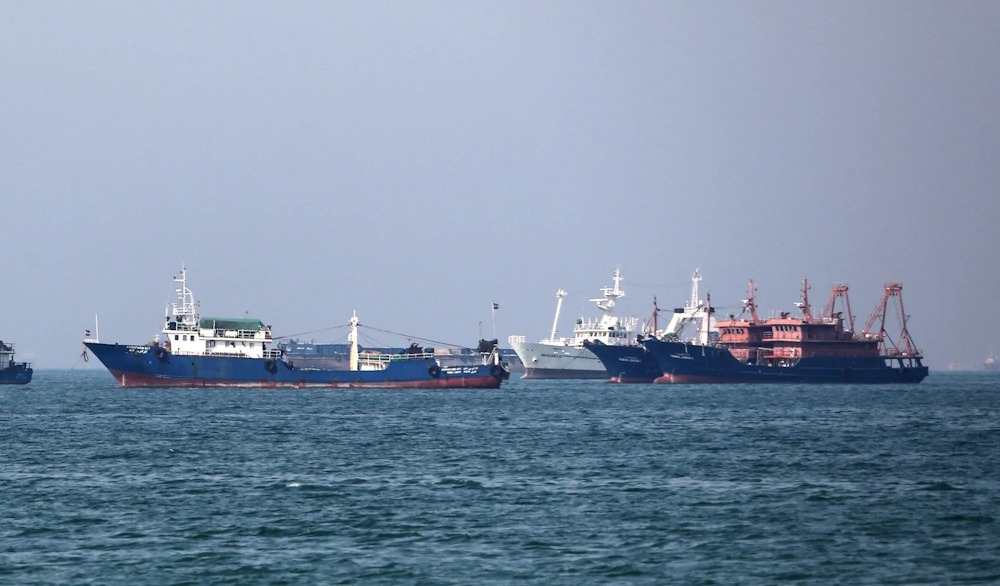
Even though oil prices have somewhat decreased today and over the past few weeks, they are still high because there is a significant risk of attacks on tankers transporting crude through the Strait of Hormuz, and the number of ships engaged in moving oil through the waterway to other ships that transport shipments to refineries has decreased the vessel supply. According to state media on Sunday, Iran’s navy reported that an oil tanker struck a naval mine east of the Strait of Hormuz and caught fire. Furthermore, any agreement between the US and Iran following the protracted conflict is still elusive.