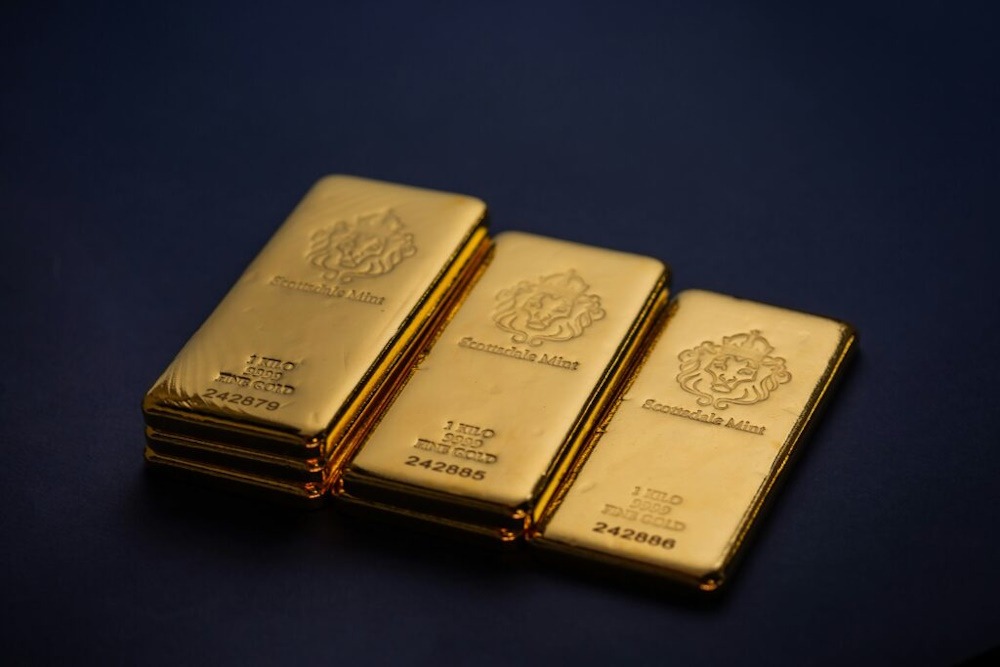
Gold prices experienced a decline on Friday, positioning themselves for the most significant weekly drop since March. This downturn was influenced by a robust US dollar and increasing anticipations of an interest-rate hike by the Federal Reserve in the upcoming month. Meanwhile, investors were analysing comments from Fed officials for insights into the future policy direction. Spot gold decreased by 0.4% to $3,607.47 per ounce as of 0035, marking its lowest point since early September 2025. Bullion experienced a decline of approximately 7% this week, marking its most significant weekly drop since March. US gold futures for December delivery decreased by 2.1%, settling at $3,608.60. The dollar edged up on Thursday, extending its recent rally, which made greenback-priced bullion more expensive for holders of other currencies.
The number of Americans filing new claims for unemployment benefits increased slightly last week, indicating that labour market conditions remained stable, although some laid-off workers are experiencing difficulties in securing new opportunities. The rapid expansion of artificial intelligence technology may exert pressure on the capacity of the US economy and exacerbate inflationary trends that the Federal Reserve will need to address, stated Chicago Fed President Austan Goolsbee on Thursday. Markets are currently pricing in a 97.3% likelihood of a 25-basis-point increase in US interest rates for December, with a mere 2.7% chance assigned to a more substantial 50-basis-point adjustment, as indicated by CME’s FedWatch tool.
Elevated interest rates heighten the opportunity cost associated with holding non-yielding bullion, thereby diminishing its attractiveness to investors. International Monetary Fund Managing Director Kristalina Georgieva stated on Thursday that energy supply shocks and demand for Artificial Intelligence were driving global inflation to 4.7%, urging a tightening of monetary policy in numerous economies. In other developments, Japan’s annual core inflation saw an acceleration in October, surpassing the central bank’s 2% target for the second consecutive month, indicating a sign of expanding price pressures.
In October, Swiss gold exports decreased to 109.7 metric tonnes, reflecting a 34% decline from the previous month, attributed to reduced deliveries to Britain, according to Swiss customs data released on Thursday. Among other metals, spot silver remained relatively stable at $42.74 per ounce, while platinum experienced a slight decline of 0.1% to $1,343.47, and palladium also saw a minor decrease of 0.1% to $908.04. All three metals were on track for weekly losses.