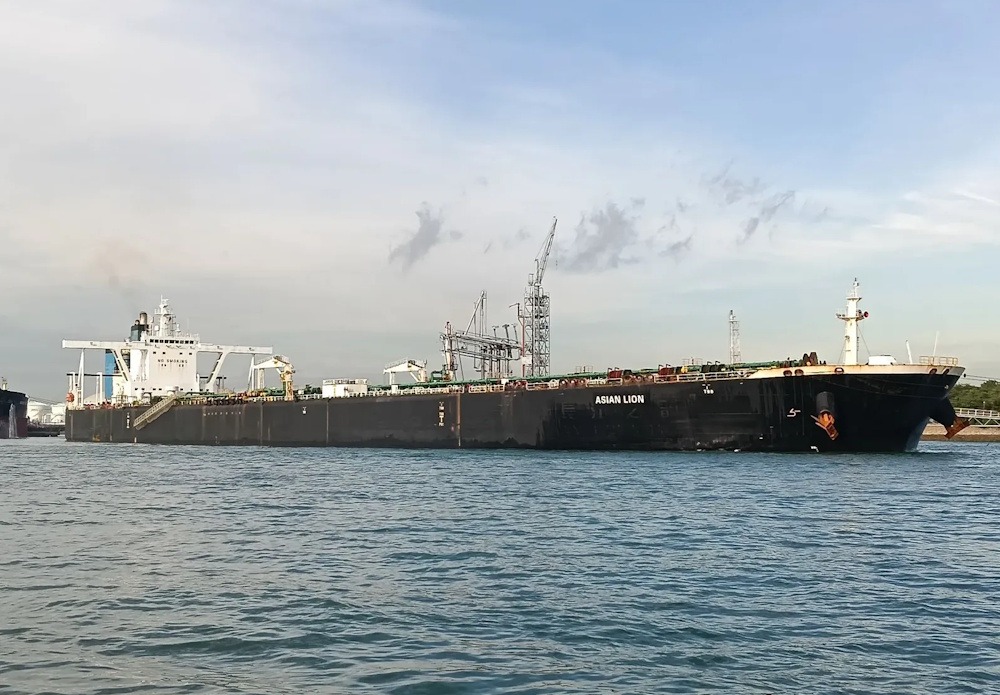
Oil prices increased for a second consecutive session on Tuesday, as apprehensions regarding possible supply disruptions from the Middle East, stemming from the US-Iran conflict, overshadowed indications of a rebound in crude exports from the area. Officials from the US and Iran engaged in separate discussions with mediators in a renewed effort to conclude the seven-month conflict, according to representatives from both nations. Further discussions are anticipated to focus on a revised iteration of a seven-day proposal that Iran introduced last week during the United Nations General Assembly. Brent crude futures increased by $1.65, representing a 1.57% rise, reaching $107 per barrel. Meanwhile, US West Texas Intermediate crude saw an uptick of $1.29, or 1.40%, bringing it to $94 per barrel.
Crude exports from leading Middle Eastern producers increased to 12.8 million barrels per day in September, marking the highest level since February, according to data released on Monday. The increase was propelled by elevated shipments from Saudi Arabia and the United Arab Emirates. The conflict, initiated in late February with military actions by the US and Israel against Iran, has placed the Strait of Hormuz under heightened scrutiny. The vital shipping route facilitates the transportation of oil and gas supplies, and any disruptions in this area have significantly impacted energy markets. Meanwhile, the US is contemplating regulatory relief that would facilitate broader sales of red-dyed diesel in an attempt to reduce prices, according to sources. The action may enable certain purchasers to circumvent the federal fuel tax. The proposal has surfaced following extensive discussions as a prominent alternative to a diesel export ban.
The prevailing uncertainty has further complicated the ability of major banks to assess the trajectory of oil prices. JPMorgan indicated that it has lost visibility on the market and, for the first time since the onset of the Iran war in February, no longer possesses a clear baseline scenario. The bank indicated that the rise in tensions was contributing to apprehensions regarding an already deteriorating supply shock. “We simply don’t know how to model the endgame,” JPMorgan analysts stated, highlighting the uncertainty surrounding the potential developments of the conflict. At the onset of the conflict, the bank had presumed that there existed certain economic thresholds that the US administration would refrain from crossing. Six months into the war, JPMorgan indicated that numerous thresholds had been surpassed, yet a definitive exit strategy remained elusive.
The prospect of further supply disruptions has also heightened the likelihood of an increase in oil prices. Daan Struyven indicated that recent attacks demonstrated the potential for shipping disruptions to escalate and proliferate. Goldman Sachs has delineated a scenario wherein oil prices might escalate to $120 a barrel should assaults on vessels in the Middle East become more pronounced. If exports return to normal, the bank anticipates that oil prices will trend back toward $80 a barrel. Struyven stated that shipping risks have emerged as a significant factor influencing oil prices. Goldman Sachs anticipates “meaningful upside to crude oil prices” and also projects an increase in natural gas and refined product prices. Struyven noted that supply shocks in petrol and fuels are more significant than those observed in the crude market.