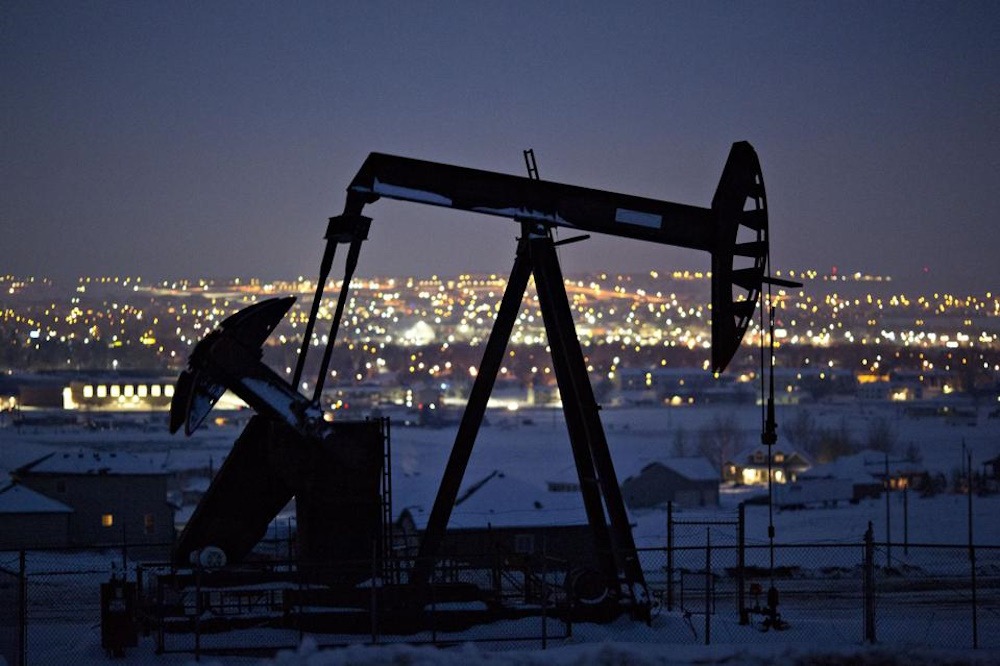
Oil prices experienced a slight decline on Friday morning as investors assessed the risks associated with the Middle East and contemplated potential US measures to relax restrictions on the global “shadow fleet” of tankers. Brent crude futures declined by 41 cents, or 0.39%, settling at $105.51 a barrel by 0012. Meanwhile, US West Texas Intermediate crude futures experienced a decrease of 54 cents, or 0.55%, reaching $97.43. WTI settled up more than 3% on Thursday following a significant draw in US crude stocks, which provided support for prices, whereas Brent crude remained relatively unchanged.
The International Energy Agency announced on Thursday its decision to release more than 20 million barrels of diesel into the market, along with any remaining oil from a historic release of emergency reserves committed in March, aimed at enhancing supply and alleviating rising prices. During the previous trading session, oil prices experienced an increase overnight, indicating that “investors were dissatisfied with these measures,” according to a note from Haitong Futures on Friday. “What would really cool the oil market is an easing of tensions in the Middle East.”
The Trump administration is contemplating the removal of sanctions on certain shadow fleet vessels that have been involved in the transportation of oil and petroleum products from nations such as Russia, Iran, and Venezuela. This move aims to address the unprecedented global freight rates, according to a US official on Wednesday. The discussions arise shortly after President Donald Trump enacted a temporary suspension of sanctions on Russian diesel fuel, a decision that has faced significant backlash from Ukrainian President Volodymyr Zelenskiy, various European nations, and certain Republican members of the US Senate.
Meanwhile, the intensifying conflict between Saudi Arabia and Yemen’s Houthis, along with a resurgence of attacks on vessels in the region, provided support for prices. Attacks in the vicinity of the waterway have escalated significantly over the past 10 days, with Iran asserting that it is intensifying its strikes as a reaction to the US blockade of its ports and the more stringent sanctions implemented last month. The Houthis launched missiles targeting the presidential palace complex in Aden on Thursday, resulting in the deaths of two guards. Concurrently, the Saudi-led coalition in Yemen reported numerous assaults on Saudi infrastructure amid the intensifying conflict.