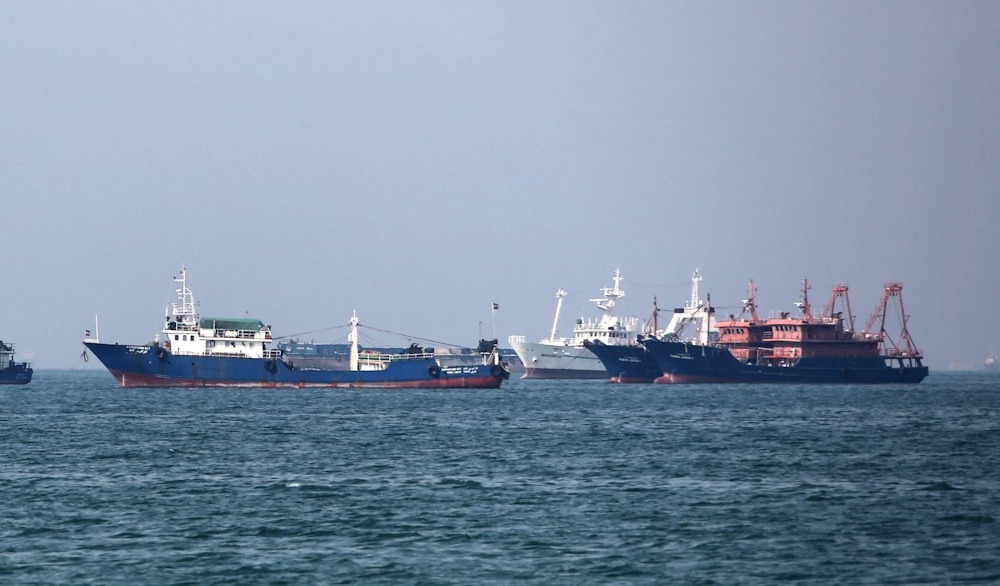
Oil prices declined on Thursday, continuing a streak of losses, as optimism increased for a reopening of the crucial Strait of Hormuz due to diplomatic initiatives involving Iran and Oman. A reopening could alleviate apprehensions regarding supply disruptions stemming from the conflict in the Middle East. Brent crude futures declined by 60 cents, or 0.7%, settling at $87.24 per barrel, indicating that the benchmark is poised for a fourth consecutive session of losses. West Texas Intermediate crude futures fell by 56 cents, or 0.7%, to $81.67 a barrel, representing a fifth consecutive decline. Iran and Oman are in the process of finalising an agreement regarding the Strait of Hormuz, according to a report from Reuters on Wednesday. The remarks followed a statement from Iran’s Revolutionary Guards indicating that the two nations had achieved a consensus regarding the management of the waterway and the distribution of its revenues. The Strait serves as a crucial conduit connecting significant oil producers in the Gulf to international markets.
Prior to the commencement of the U.S.-Israeli conflict with Iran on February 28, the Strait of Hormuz facilitated the transportation of oil and natural gas shipments that accounted for approximately one-fifth of global consumption of these fuels. Oil flows have subsequently decreased to approximately one-quarter of their pre-war level following Iran’s decision to close the waterway in response, as indicated by ship-tracking data. Qatar’s prime minister is scheduled to visit Iran on Thursday to resume diplomatic talks intended to resolve the ongoing conflict, which has persisted for nearly six months. The US has ceased its military operations against Iran for approximately one month and is now aiming to enhance economic pressure on the nation. This has heightened investor expectations that disruptions to Gulf supplies may diminish.
However, Iran and other nations continue to diverge significantly regarding the prerequisites for concluding the hostilities. Iran has also targeted shipping in the Gulf and the Strait of Hormuz as it seeks to assert control over the waterway. Iranian officials have indicated that the strait will remain closed unless the U.S. consents to engage in discussions regarding an interim ceasefire agreement established in June, which later disintegrated. The duration of the disruption will be pivotal for crude prices. JPMorgan estimates that each additional month of disruption could increase Brent prices by approximately $7 to $8 per barrel. If the disruption persists for three months, the bank anticipates average monthly Brent prices to increase to approximately $114 per barrel.
Goldman Sachs has similarly cautioned that Brent may ascend to $120 a barrel should shipping disruptions through the Strait of Hormuz, the globe’s most critical oil transit route, continue. Goldman Sachs anticipates that tensions in the Middle East will ultimately subside in accordance with its base case scenario. The bank forecasts Brent to average $80 a barrel in the fourth quarter and $75 a barrel next year. However, it indicated that risks continued to be skewed toward the upside, with disruptions in the Strait of Hormuz and the Red Sea potentially enduring for a longer duration than anticipated.