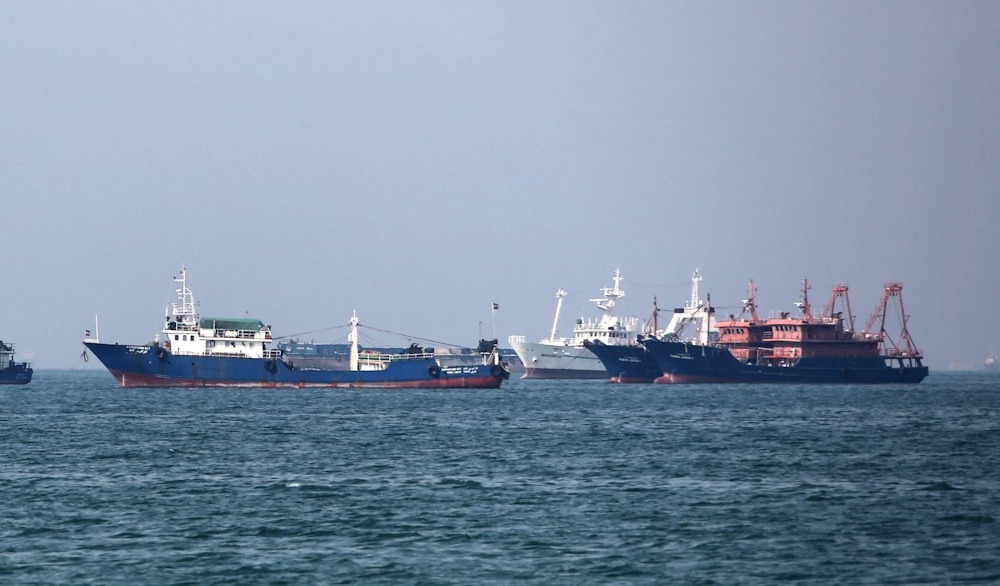
Oil prices exhibited volatility on Tuesday, as consistent crude exports from the Middle East and a proposed G7 emergency stockpile release alleviated supply concerns. However, ongoing attacks by Yemen’s Houthis on Saudi targets maintained traders’ vigilance regarding potential risks to Gulf oil flows. Supply concerns diminished following the agreement among G7 nations on Friday to release 100 million barrels of diesel and crude from their emergency reserves. The group also committed to refraining from implementing energy export restrictions in response to pressure from US President Donald Trump. Brent crude futures increased by 20 cents, reaching $100.54 per barrel, whereas US West Texas Intermediate crude futures saw a rise of 12 cents, equivalent to 0.13%, bringing the price to $89.50 per barrel. Oil remained relatively stable following Monday’s drop as traders evaluated a slight easing in supply-side worries.
Simultaneously, the ongoing conflict between Saudi Arabia and the Iran-backed Houthi forces in Yemen has heightened apprehensions regarding potential disruptions from Saudi Arabia, the largest oil exporter in the region. Concerns have continued to endure in the context of a deadlock in negotiations between the US and Iran. On Monday, Yemen’s Houthis announced that they had conducted attacks on multiple targets within Saudi Arabia, specifically naming King Khalid International Airport in Riyadh, an Aramco refinery located in Rabigh, and Abha airport. Saudi Arabia has yet to provide immediate confirmation regarding the attacks. The Houthis reported the launch of ballistic missiles and drones targeting Saudi Aramco facilities in Riyadh and the Khurais region, characterising these strikes as a reaction to 50 air and missile assaults conducted by Saudi-led forces on Yemen within the preceding 12 hours.
Saudi Arabia has yet to provide confirmation regarding the attacks. Analysts indicated that the resolution of the conflict is challenging to evaluate, highlighting the ambiguity surrounding potential developments in the situation. When the war began, the bank had assumed that there were economic thresholds the US administration would not cross. Six months into the conflict, JPMorgan indicated that several of those thresholds had been crossed, yet a clear exit strategy remained elusive. The risk of further supply disruptions has also heightened the likelihood of elevated oil prices. Daan Struyven indicated that recent attacks have demonstrated the potential for disruptions to shipping to proliferate and intensify.
Goldman Sachs has presented a scenario where oil prices may escalate to $120 a barrel should there be an increase in attacks on vessels in the Middle East. If exports return to normal, the bank anticipates that oil prices will trend back toward $80 a barrel. Struyven indicated that shipping risks have emerged as a significant factor influencing oil prices. Goldman Sachs anticipates significant potential for an increase in crude prices, while also projecting a rise in natural gas and refined product prices. Struyven indicated that supply shocks in petrol and fuels are more significant than those observed in the crude market.