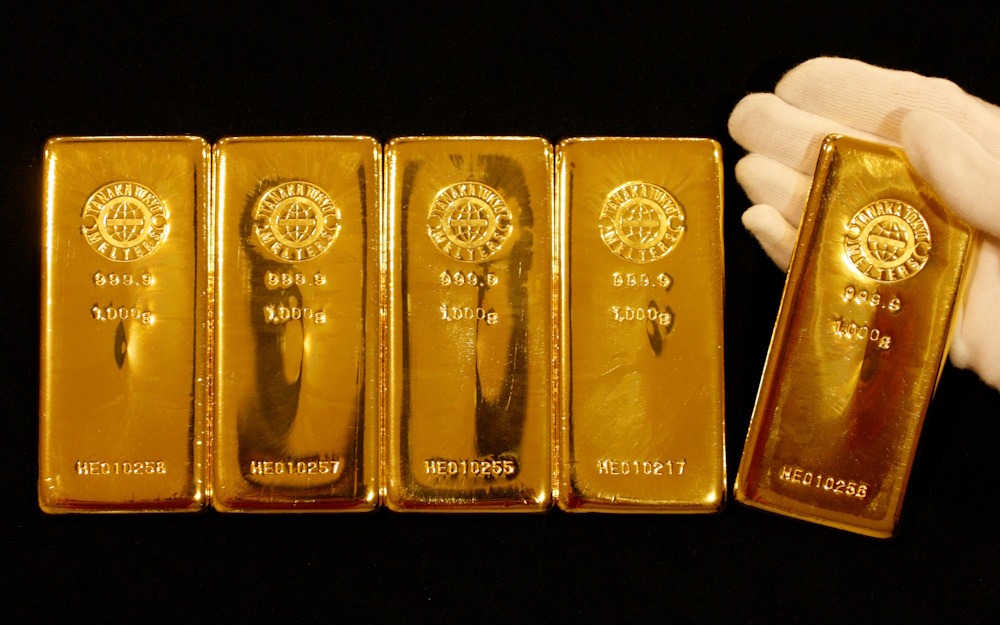
Gold experienced an increase of over 1% on Monday, following a cessation of hostilities in the Middle East that led to a decline in oil prices, thereby alleviating concerns regarding inflation and the persistence of elevated interest rates. Spot gold increased by 1.3% to $4,103.99 per ounce as of 0058. U.S. gold futures for August delivery increased by 0.9%, reaching a price of $4,106.10. Iran will cease its own attacks provided that the United States reciprocates, a senior Iranian official informed on Sunday. The United States halted its bombing campaign following advisement to President Donald Trump from his advisers, who indicated a diminishing number of targets and raised concerns regarding the depletion of the U.S. arsenal.
Oil prices experienced a decline of 5% as investors expressed optimism regarding a potential diplomatic resolution that could mitigate the ongoing conflict. Elevated crude oil prices raise market apprehensions regarding inflation and the possibility of sustained higher interest rates. While gold is traditionally viewed as a safeguard against inflation, its attractiveness as a non-yielding asset wanes in a high-interest-rate context. The dollar and yields on the 10-year U.S. Treasury note declined, providing additional support for gold.
The U.S. Federal Reserve is widely anticipated to maintain its current interest rates this week, although market participants are still assigning approximately an 80% probability to a potential increase in September, as indicated by the CME FedWatch Tool. COMEX gold speculators increased their net long positions by 4,438 contracts, bringing the total to 123,586 for the week ending July 21, according to CFTC data. Spot silver increased by 2.7% to $59.74 per ounce, while platinum saw a rise of 2% to $1,619.75, and palladium experienced a jump of 2.3% to $1,271.93.