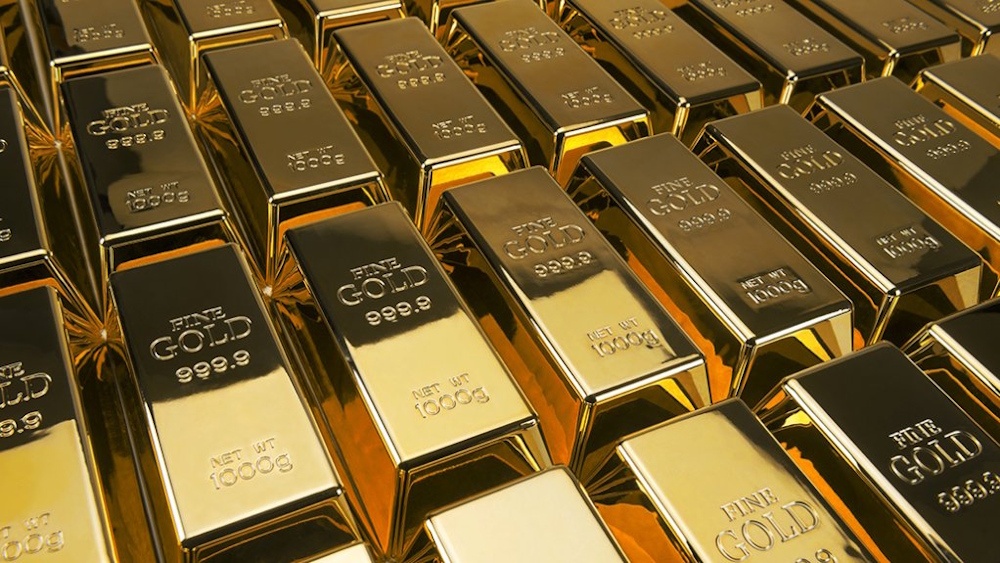
Gold prices reached unprecedented levels in Asian trading on Monday, driven by heightened concerns regarding renewed hostilities between Iran and Israel, as well as an escalating conflict between the U.S. and Venezuela, which increased demand for safe-haven assets. Spot gold surged 1.4% to a historic high of $4,403.60 an ounce, exceeding its October peak, while gold futures for February increased by 0.6% to $4,416.50 per ounce. Prices for precious metals experienced an upward trajectory, building on recent gains as market participants anticipate a decline in interest rates, increased demand, and constrained supplies in the upcoming year.
Spot platinum experienced a rally exceeding 2%, surpassing the $2,000 per ounce mark for the first time since 2008. Concurrently, spot palladium saw a significant increase of nearly 5%, reaching a near three-year high of $1,799.20 per ounce. Monday’s gains in metal markets represent the continuation of a protracted rally within the sector, driven by apprehensions regarding decelerating global economic growth, which have consequently heightened demand for safe-haven assets. Heightened speculation regarding additional U.S. interest rate reductions in 2026 further bolstered the appeal of tangible assets.
Gold is influenced by various structural and cyclical factors, such as a Federal Reserve easing cycle, ongoing demand from central banks, and heightened geopolitical and policy uncertainty. Despite the waning of certain short-term influences, gold persists in functioning as a strategic component of portfolio allocation rather than merely serving as a tactical hedge,” analysts noted. Concerns have been raised that silver may experience a decline in value due to indications of waning industrial demand or apprehensions regarding economic growth. Demand for safe-haven assets was supported by weekend reports indicating that Israel intended to inform the U.S. about potential military action against Iran, amidst rising concerns regarding Tehran’s ongoing nuclear activities. The two parties had engaged in a sequence of confrontations earlier in 2025, which ultimately led to the United States conducting airstrikes on Tehran’s nuclear installations and compelling the nation to agree to a ceasefire with Israel.
Israeli Prime Minister Benjamin Netanyahu and U.S. President Donald Trump are scheduled to convene in the U.S. later in December, during which Netanyahu is anticipated to advocate for increased measures against Iran. In a development that heightens global geopolitical uncertainty, recent reports indicate that the U.S. is poised to board a third tanker off the coast of Venezuela, reflecting the escalating tensions between Washington and Caracas. Under the Trump administration, Washington has intensified its examination of Venezuela, alleging that the nation utilizes oil revenues to finance drug trafficking and unauthorized immigration to the United States. Last week, Trump issued a directive to impose a blockade on sanctioned oil tankers navigating to and from the country, while also suggesting the potential for a ground campaign against the South American nation. Precious metals experience an upswing driven by expectations of interest rate reductions and a favorable supply forecast. Gold and silver prices have experienced a prolonged rally in recent weeks, driven by growing optimism regarding additional U.S. interest rate reductions anticipated in 2026. A range of mediocre U.S. economic indicators reinforced this belief. Anticipations of heightened demand for silver, platinum, and palladium—key materials in electrical components—contributed to their performance exceeding that of gold, alongside forecasts of a potential supply shortage in the upcoming year.