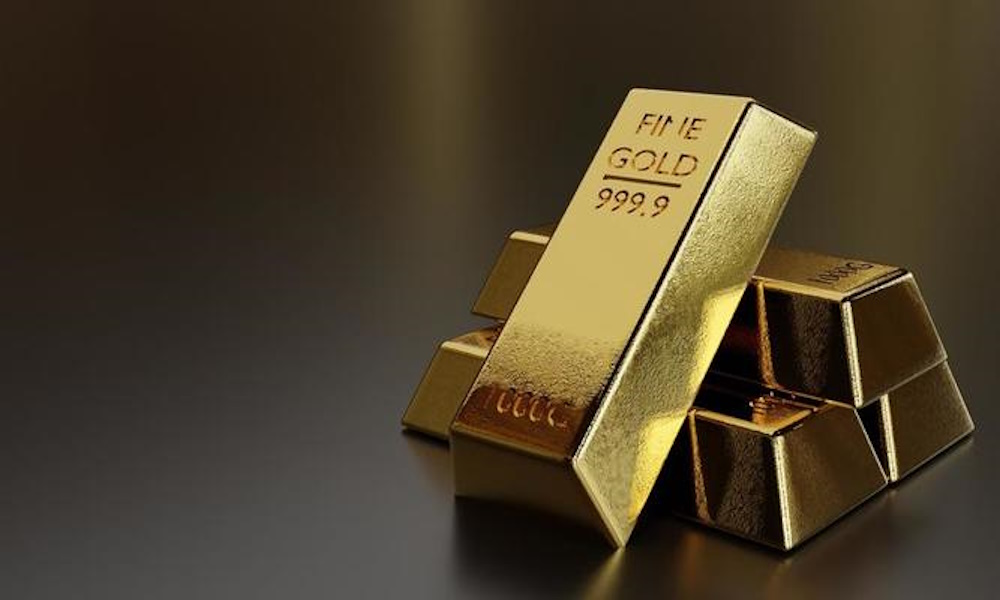
Gold prices experienced an uptick on Friday, supported by persistent geopolitical uncertainties and U.S.-China trade tensions. Investors were anticipating significant U.S. inflation data later in the day, seeking further clarity on the direction of interest rates. Spot gold rose by 0.3% to $4,138.52 per ounce, as of 0120. Nonetheless, bullion is on track for its worst week since May, having experienced a decline of 2.7% thus far this week. Gold futures in the U.S. for December delivery rose by 0.2%, reaching $4,152.30 per ounce.
U.S. President Donald Trump on Wednesday imposed sanctions related to Ukraine on Russia’s largest oil companies, Lukoil and Rosneft, marking Washington’s most stringent actions against Russian business amid the ongoing conflict with Ukraine. Next week, Trump will engage in discussions with Chinese President Xi Jinping during his upcoming visit to Asia, as stated in the White House announcement on Thursday. Trade tensions between Washington and Beijing have escalated, marked by a series of reciprocal retaliatory measures announced by both parties.
Focus is currently on the U.S. Consumer Price Index report, which is expected to show that core inflation held steady at 3.1% in September. The report is presently suspended due to the ongoing government shutdown. Market participants have largely priced in a 25-basis-point reduction in interest rates at the upcoming Federal Reserve meeting. Gold frequently appreciates in value during periods of low interest rates, as this reduces the opportunity cost linked to possessing non-yielding bullion.
Analysts on Thursday maintained an optimistic perspective on gold, forecasting that prices may average $5,055 per ounce by the fourth quarter of 2026. In other markets, spot silver decreased by 0.3% to $48.76 per ounce, while platinum increased by 0.6% to $1,635.59, and palladium experienced a slight decline of 0.3% to $1,453.16.