Gold prices have exceeded the $4,000 per ounce threshold in international markets, representing a significant milestone fueled by increased investor interest in safe-haven assets. The precious metal reached an unprecedented peak of $4,002.53 in spot trading, while December gold futures on the U.S. Commodity Exchange increased by 0.5% to $4,025 per ounce. The rally is driven by rising apprehensions regarding global economic uncertainty and geopolitical instability, alongside speculation about possible interest rate reductions by the U.S. Federal Reserve. The recent price surge contributes to an impressive rally in 2025, with gold currently appreciating by 52% year-to-date. This follows a significant 27% increase in 2024, highlighting its robust momentum in the context of changing macroeconomic conditions.
Historically regarded as a safeguard against market fluctuations, gold has seen increased demand as investors react to a combination of influences. Lower interest rates have increased gold’s attractiveness by diminishing the opportunity cost associated with holding a non-yielding asset. At the same time, heightened purchases by central banks alongside a depreciating U.S. dollar have enhanced its appeal. Data indicates that global demand for gold has reached unprecedented levels this year, with inflows into physically-backed exchange-traded funds totaling $64 billion—$17.3 billion of which was contributed in September alone. China’s central bank has increased its gold reserves, which reached 74.06 million fine troy ounces at the close of September, a rise from 74.02 million the previous month, according to data from the People’s Bank of China. This increase signifies a wider international movement among central banks to bolster their gold reserves as a safeguard against economic disturbances.
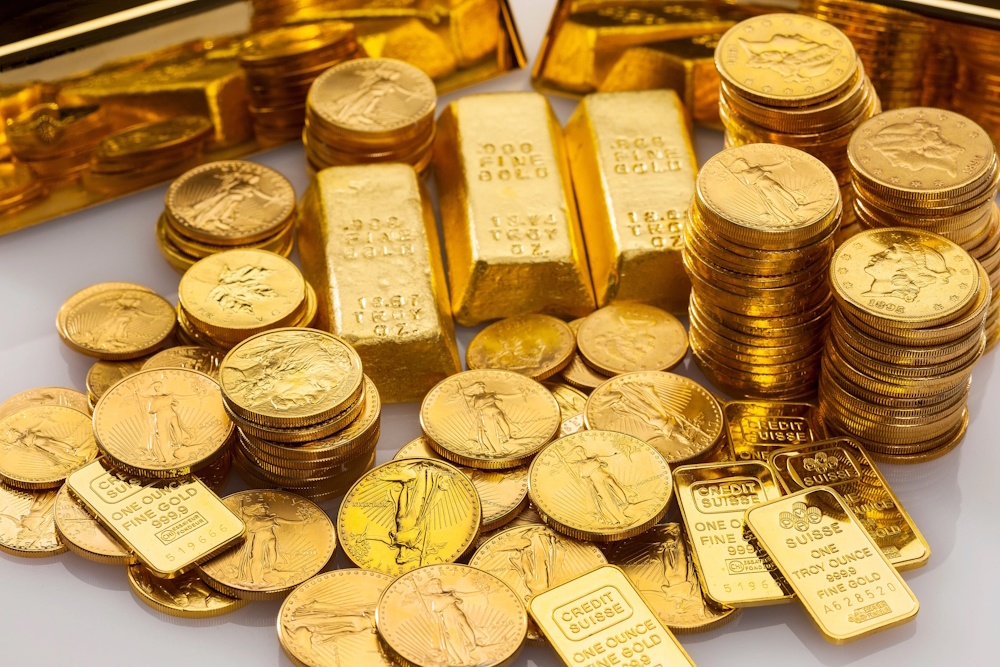
Gold can be acquired via a range of investment channels. Institutional players frequently engage in the spot market, where pricing is dictated by real-time supply and demand dynamics. London continues to serve as a pivotal center for these transactions, underpinned by the regulatory framework established by the London Bullion Market Association. Retail and professional investors additionally obtain exposure via futures markets, notably on exchanges such as COMEX in New York and the Shanghai Futures Exchange. Exchange-traded products provide an alternative avenue for investment, enabling exposure to physical gold without necessitating actual delivery. For individual investors, acquiring gold bars and coins—whether through online platforms or metal traders—remains a favored approach for securing physical ownership.
Several factors are presently shaping the direction of gold. The prevailing market sentiment, significantly influenced by geopolitical developments and macroeconomic trends, has been a crucial factor. Fluctuations in foreign exchange markets, particularly the depreciation of the dollar, generally render gold more affordable for holders of alternative currencies, thereby increasing demand. The monetary policy of central banks, coupled with persistent political tensions, has reinforced the metal’s status as a safe-haven asset. In the context of ongoing volatility in global financial markets and persistent uncertainties, the rise of gold to unprecedented levels underscores its lasting role as a reliable store of value in the face of changing economic conditions.