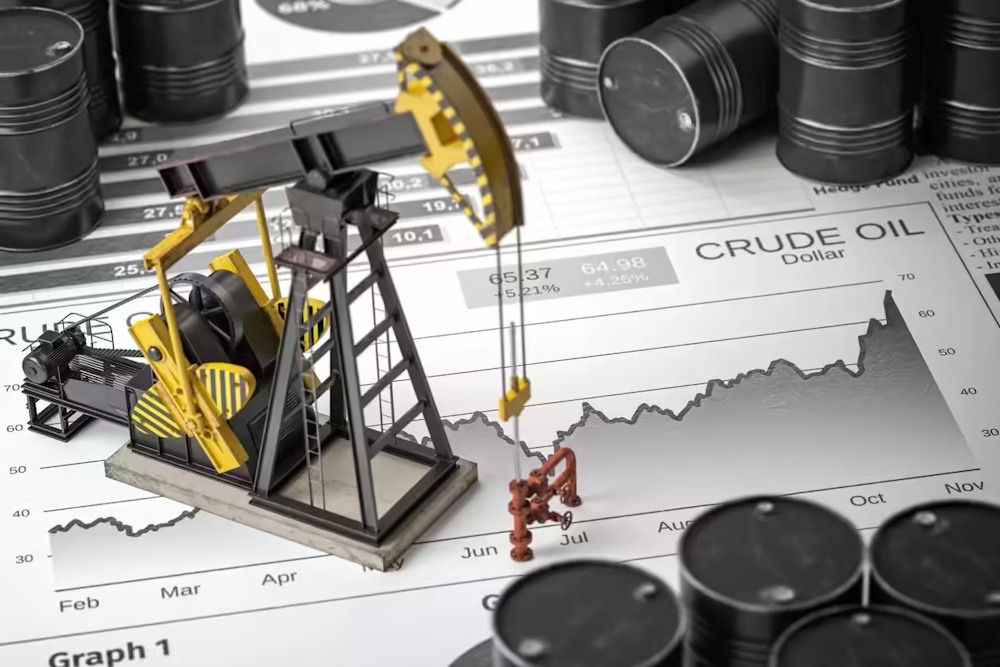
Oil prices continued to rise on Thursday amid worries that supply from the crucial Middle East production area will remain constrained for an extended period, as negotiations to resolve the U.S.-Israeli conflict with Iran have reached an impasse. Brent crude futures for June increased by $1.91, or 1.62%, reaching $119.94 a barrel as of 0057, following a 6.1% rise in the prior session. The June contract, having risen for a ninth consecutive day, is set to expire on Thursday. Meanwhile, the more actively traded July contract stands at $111.38, reflecting an increase of 94 cents, or 0.85%, following a 5.8% gain in the prior session.
U.S. West Texas Intermediate futures for June increased by 63 cents, or 0.59%, reaching $107.51 a barrel, following a 7% rise in the prior session and marking an upward trend in eight of the last nine sessions. U.S. President Donald Trump engaged in discussions on Wednesday with oil companies regarding strategies to alleviate the potential repercussions of a prolonged blockade of Iran’s ports, according to a White House official. This has raised apprehensions in the market about a sustained interruption in oil supplies. According to market analyst Tony Sycamore, the prospects for any near-term resolution to the Iran conflict or a reopening of the Strait of Hormuz remain dim.
The meeting with oil companies came after a stalemate in attempts to address the conflict that has resulted in thousands of fatalities and has been characterized by analysts as the most significant energy disruption in history. Tehran has effectively restricted all shipping, except for its own, from the Gulf via the Strait of Hormuz, a critical juncture for global energy supplies originating from the Middle East, following the commencement of air strikes by the U.S. and Israel on February 28. This month, the United States initiated a blockade of Iranian vessels. On the supply side, the OPEC+ coalition, comprising OPEC nations and their allies, is expected to reach a consensus on a modest increase of approximately 188,000 barrels per day in oil output quotas this Sunday, according to sources cited by Reuters.
The meeting occurs shortly after the United Arab Emirates’ exit from OPEC, effective May 1, which is anticipated to undermine the oil producer group’s capacity to regulate prices. While the departure of the Gulf nation would enable an increase in production following the resumption of exports, analysts suggest that this is improbable to influence market fundamentals in the current year, particularly in light of the closure of Hormuz and other production interruptions stemming from the conflict.According to analysts at Wood Mackenzie, Gulf countries, including the UAE, will require several months to restore production levels to those seen prior to the conflict.