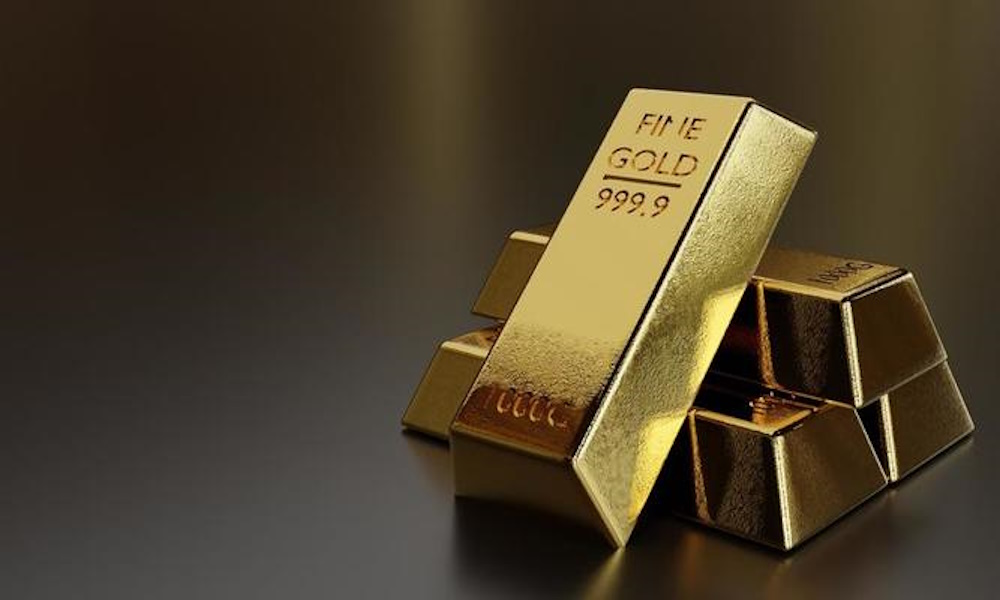
Gold prices fell by more than 1% on Monday, due to a stronger dollar. At the same time, the unpredictability of the U.S.-Iran peace talks led to a rise in oil prices, raising worries about inflation once again. Spot gold saw a decrease of 1.4%, trading at $4,762.09 per ounce as of 0055, hitting its lowest level since April 13 earlier in the session. U.S. gold futures for June delivery fell by 2%, closing at $4,781.90.
The dollar index showed an upward trend, leading to a rise in the price of gold in dollars for those holding other currencies. Oil prices surged while stock markets showed volatility as rising tensions in the Middle East significantly limited shipping activities in and out of the Gulf, although traders maintained optimism about a possible resolution. The U.S. has taken control of an Iranian cargo ship that tried to violate its blockade, leading Iran to announce plans for retaliation. This situation brings up worries about the stability of the ceasefire between the two countries, which is anticipated to hold for just two days.
Iran has declared its choice to refrain from joining a second round of talks that the U.S. expected to start before the ceasefire ends on Tuesday. On Friday, Federal Reserve Governor Christopher Waller mentioned that while the U.S.-Israeli conflict with Iran is likely to drive up inflation in the short term, a quick resolution could open the door for potential interest rate cuts later this year. In the context of one of India’s significant purchasing festivals, gold demand remained low on Sunday, as high prices restricted jewellery purchases, offsetting a slight rise in investment interest.
SPDR Gold Trust, known as the largest gold-backed exchange-traded fund in the world, announced a 0.1% rise in its holdings, totaling 959.69 metric tons on Thursday. Among other metals, spot silver fell by 1.7% to $79.42 per ounce, platinum decreased by 0.8% to $2,086, and palladium saw a decline of 0.8% to $1,547.10.