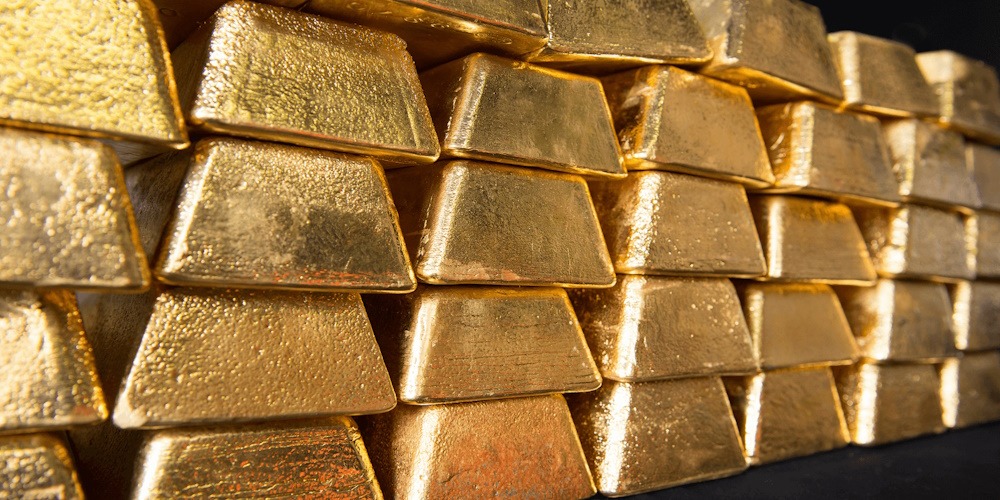
Gold prices saw a minor uptick on Friday; nonetheless, they were headed for a third straight weekly drop, affected by a robust dollar and a firm position from the U.S. Federal Reserve, which has lowered hopes for upcoming rate cuts. Spot gold rose by 0.2% to $4,657.50 per ounce as of 0112. This week, bullion has seen a drop of more than 7%. Gold futures in the U.S. for April delivery rose by 1.1%, hitting a price of $4,657.90. The dollar appreciated, leading to a rise in the cost of gold priced in dollars for those holding alternative currencies.
Oil prices stayed high, surpassing $105 a barrel after reaching a peak of $119 on Thursday, in line with Iran’s overnight attacks on energy targets in the Middle East. U.S. President Donald Trump cautioned Israel about persisting with its strikes on Iranian natural gas infrastructure after reciprocal attacks on energy facilities led to a surge in prices, escalating tensions among the U.S., Israel, and Iran. Iran’s military declared that the attacks on its energy infrastructure represent “a new stage in the war,” prompting a shift in focus towards energy sites linked to the United States.
The closure of the Strait of Hormuz has kept crude prices high, leading to inflationary pressures due to rising transport and manufacturing costs. While rising inflation typically boosts gold’s appeal as a safeguard, high interest rates reduce the desire for the asset that does not generate income. Most major developed market central banks kept their interest rates steady this week, but showed readiness to pursue additional tightening if the inflation shock driven by energy persists. Traders view the chances of a Federal Reserve rate cut this year as quite low, according to the CME’s FedWatch tool.
Analysts noted that the medium-term outlook for gold is favorable; however, near-term price fluctuations are anticipated to be unstable. Spot silver rose by 0.1% to $73 per ounce. Spot platinum rose by 0.1% to $1,972.80, and palladium saw a 0.4% increase, hitting $1,452.21.