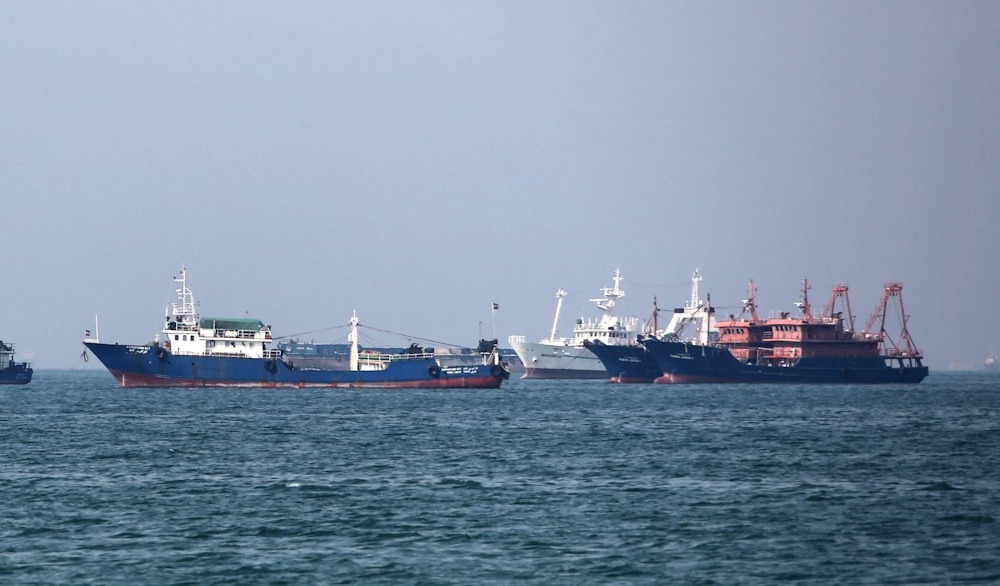
The price of a barrel of Brent crude oil, the international benchmark, exceeded $100 early Thursday, following a recent surge close to $120. This fluctuation has contributed to the ongoing volatility in financial markets and the broader global economy. Oil prices surged over 9% as supply concerns intensified due to Iranian assaults on commercial shipping in the Strait of Hormuz. U.S. benchmark crude oil surged to approximately $95 per barrel. The recent attacks signify a heightened phase in Iran’s strategy to inflict sufficient global economic distress, thereby compelling the United States and Israel to conclude the conflict that commenced 12 days prior. However, there were no indications that the conflict was diminishing. Iran has focused its efforts on oil fields and refineries in Gulf Arab nations, successfully halting cargo traffic through the strategically significant Strait of Hormuz, a critical passage for approximately one-fifth of global oil trade.
The International Energy Agency has decided to release 400 million barrels of oil, marking the largest volume of emergency oil reserves in its history, as a measure to mitigate the impacts of the war on energy markets. The U.S. is set to release 172 million barrels of oil from its Strategic Petroleum Reserve next week in an effort to address rising prices. The IEA’s announcement followed closely on the heels of a meeting in Paris among energy ministers from the Group of Seven, which comprises the foremost industrialized nations: Canada, the United States, France, Italy, Japan, Germany, and Britain. Their discussions focused on strategies to reduce prices. However, the ongoing conflict and ambiguity have intensified conjecture that prices may rise further. Asian markets experienced a downturn, as evidenced by Tokyo’s Nikkei 225, which declined by 1.5% to 54,177.15. In South Korea, the Kospi declined by 1% to 5,552.01, whereas Hong Kong’s Hang Seng experienced a drop of 1.2% to 25,577.71. The Shanghai Composite index declined by 0.5%, settling at 4,110.20, while in Australia, the S&P/ASX 200 experienced a decrease of 1.6%, reaching 8,601.70. U.S. futures experienced a decline exceeding 1%, while the dollar appreciated to 159 Japanese yen, and the euro depreciated to $1.1538.
On Wednesday, U.S. stocks exhibited minimal fluctuations, with the S&P 500 declining by 0.1% to 6,775.80. This marks a second consecutive day of subdued movements following a period of volatility triggered by the conflict with Iran. The Dow Jones Industrial Average experienced a decline of 0.6%, settling at 47,417.27, while the Nasdaq composite saw a modest increase of 0.1%, reaching 22,716.13. Since the onset of the conflict, significant fluctuations in oil prices have caused corresponding volatility in global financial markets, occasionally occurring on an hourly basis. This week, oil prices experienced a brief surge, reaching their highest levels since 2022, driven by concerns over potential long-term disruptions to production in the Middle East. This development has heightened fears of a significant inflationary impact on the global economy. A report released Wednesday indicated that U.S. consumers experienced a 2.4% increase in prices for groceries, gasoline, and other living expenses in February compared to the previous year.
That aligns with the previous month and surpasses the 2.5% anticipated by analysts, yet it continues to exceed the Federal Reserve’s 2% target and does not account for the recent surge in gasoline prices attributed to the war. The combination of elevated inflation and a stagnant economy presents a dire situation known as “stagflation,” a condition for which the Federal Reserve lacks effective remedies. Concerns regarding stagflation are increasing, driven not only by escalating oil prices but also by a notable decline in hiring activity among U.S. employers. The recent surge in oil prices has led traders to revise their expectations regarding the timeline for the Federal Reserve to potentially recommence its interest rate cuts. President Donald Trump has been vocally advocating for such cuts, which could stimulate the economy and enhance the job market, yet may also exacerbate inflationary pressures.