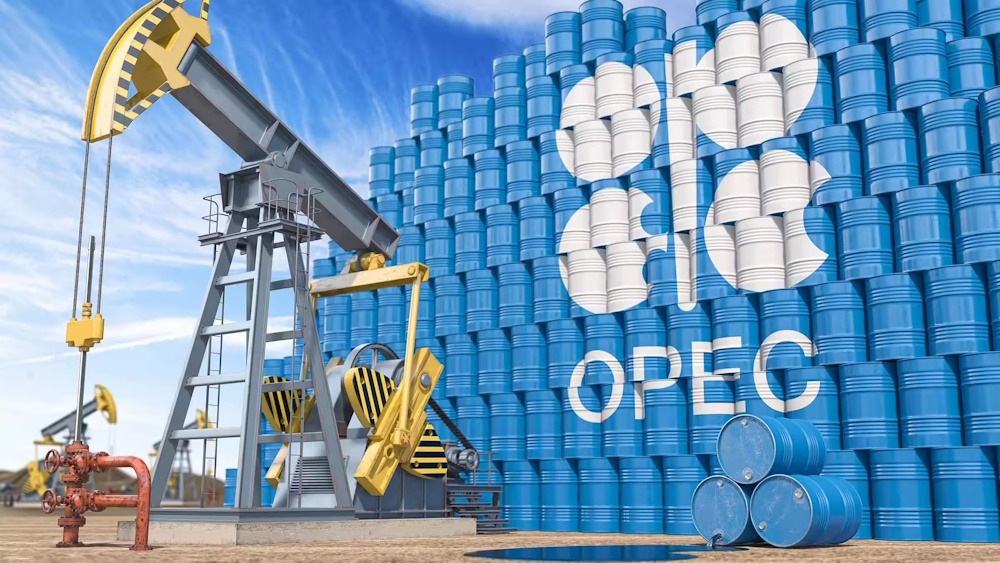
Oil prices experienced a decline exceeding 10 percent in 2025, with Brent on track for its most extended period of annual losses to date. This downturn was driven by a supply surplus relative to demand, occurring in a year characterized by conflicts, increased tariffs, and OPEC+ production adjustments alongside sanctions imposed on Russia, Iran, and Venezuela. Brent crude futures have experienced a decline of nearly 18 per cent, marking the most significant annual percentage drop since 2018, and are poised for a third consecutive year of losses. The March contract, set to expire on Wednesday, declined by 6 cents to $61.27 a barrel at 0147. US West Texas Intermediate crude stood at $57.90, reflecting a decrease of 5 cents, and is on track for a 15 percent annual decline.
Oil markets experienced a robust beginning to 2025 as former President Joe Biden concluded his term by implementing stricter sanctions on Russia, which in turn disrupted supplies to major consumers China and India. The conflict in Ukraine escalated as Ukrainian drones targeted Russian energy infrastructure, simultaneously affecting Kazakhstan’s oil exports. Additionally, the 12-day conflict between Iran and Israel in June posed risks to shipping in the Strait of Hormuz, a critical oil chokepoint, thereby contributing to rising oil prices.
In a context marked by escalating geopolitical tensions, leading OPEC members Saudi Arabia and the United Arab Emirates find themselves in a dispute regarding Yemen. Concurrently, US President Donald Trump has implemented a blockade on Venezuelan oil exports and has issued threats of further military action against Iran. However, prices moderated following OPEC+’s expedited output increases this year, alongside apprehensions regarding the influence of US tariffs on global economic conditions and fuel demand expansion.
The Organization of the Petroleum Exporting Countries and its allies have decided to halt oil output increases for the first quarter of 2026, following the introduction of approximately 2.9 million barrels per day into the market since April. The forthcoming OPEC+ meeting is scheduled for January 4. Most analysts anticipate that supply will surpass demand in the upcoming year, with projections varying from the International Energy Agency’s estimate of 3.84 million barrels per day to Goldman Sachs’ figure of 2 million bpd.”If the price really has a substantial fall, I would imagine you will see some cuts,” said Martijn Rats. “However, it likely requires a more significant decline from this point – potentially reaching the low $50s.”If the current price remains unchanged, following the pause in Q1, it is likely that they will proceed to reverse these cuts.