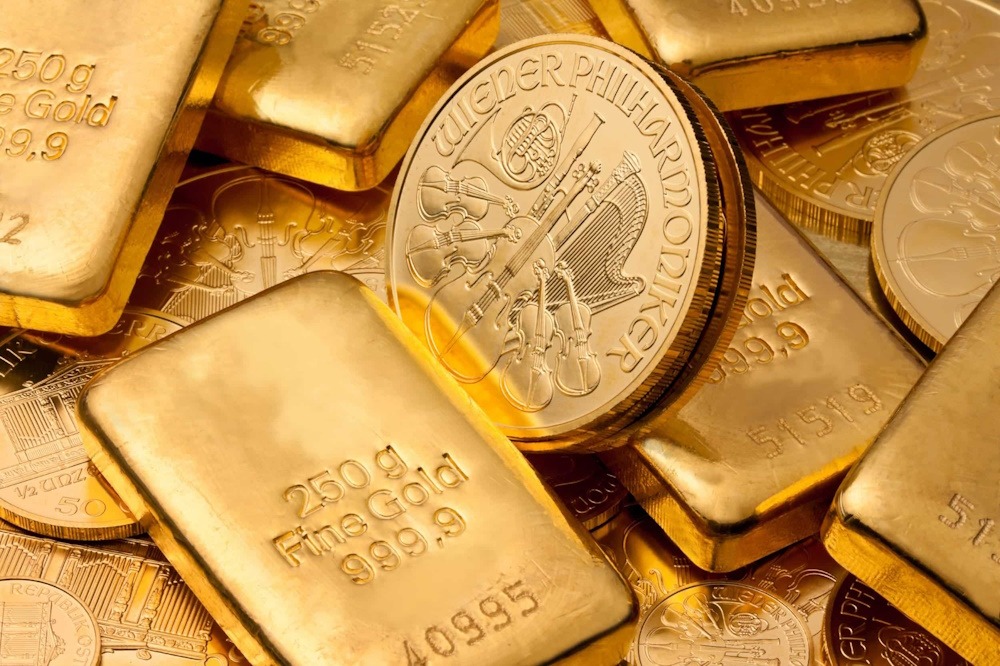
Gold hovered near a two-week low on Tuesday, a mark hit in the previous session, as year-end profit-taking led to a broad decline in all precious metals from the record highs reached earlier. Spot gold saw a rise of 0.4%, hitting $4,347.67 per ounce as of 0145, after peaking at $4,549.71 on Friday. On Monday, it fell to its lowest point since December 17, representing the largest daily decrease since October 21. U.S. gold futures for February delivery rose by 0.5%, hitting $4,363.20 per ounce.
The U.S. dollar stayed near a one-week high against its counterparts on Monday, leading to increased costs for bullion priced in dollars for holders of other currencies. Bullion has seen a significant rise in 2025, climbing by 66% so far. The rally in gold this year has been fueled by interest rate cuts and expectations of further easing from the U.S. Federal Reserve, ongoing geopolitical conflicts, robust demand from central banks, and rising investments in exchange-traded funds. Traders in Fed funds futures are expecting two to three cuts of 25 basis points next year, with the first cut seen as having roughly equal chances for March.
Assets that do not generate income typically do well when interest rates are low. Spot silver rose by 1.6% to $73.43 per ounce, after reaching a high of $83.62 in the previous session. On Monday, silver saw its largest daily drop since August 11, 2020. Silver has gained 154% year-to-date, significantly surpassing gold, and has crossed the $80 threshold. This increase is fueled by its designation as an essential U.S. mineral, constraints on supply, and diminished stock levels amid rising industrial and investment interest.
Spot platinum rose by 0.1% to $2,110.60 per ounce, reaching a one-week low after climbing to an all-time high of $2,478.50 on Monday. This happened even after facing its largest daily drop by the session’s conclusion. At the same time, palladium fell by 0.7% to $2,605.78 per ounce, hitting a low not observed in more than two weeks.