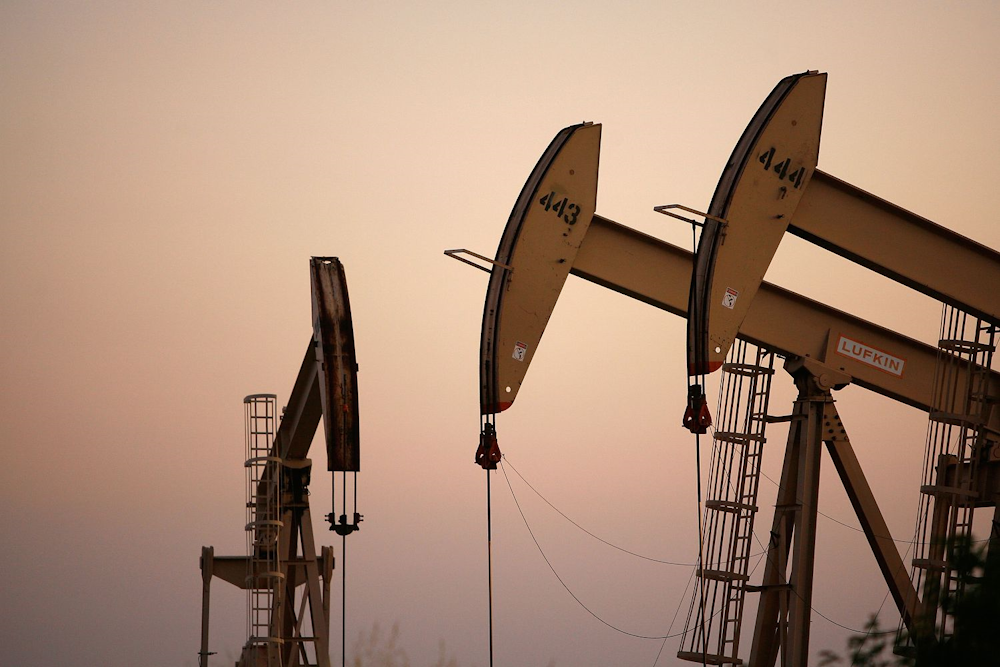
Oil prices exhibited minimal variation on Wednesday following an increase in the prior session, driven by anticipations that the conclusion of the longest U.S. government shutdown could enhance demand in the largest crude-consuming nation globally. Brent crude futures experienced a decline of 8 cents, equivalent to 0.12%, settling at $65.08 per barrel by 0106, following a 1.7% increase on Tuesday. U.S. West Texas Intermediate crude experienced a decline of 7 cents, representing a decrease of 0.11%, settling at $60.97 a barrel, following a rise of 1.5% in the preceding session.
The U.S. House of Representatives, under Republican control, is scheduled to vote on a bill this Wednesday afternoon. This legislation, which has already received Senate approval, aims to restore funding to government agencies until January 30. A government reopening would enhance consumer confidence and stimulate economic activity, thereby increasing demand for crude oil, as noted by analyst Tony Sycamore. The resolution of the U.S. government shutdown, which has caused significant disruptions to tens of thousands of flights recently, may facilitate a recovery in travel and jet fuel demand as the holiday season approaches.
The repercussions on the supply side are becoming evident due to U.S. sanctions imposed on Russia’s two largest oil producers, Lukoil and Rosneft, which is contributing to the upward pressure on prices. Yanchang Petroleum, a Chinese refiner, is pursuing non-Russian oil in its recent crude tender.
Sinopec subsidiary Luoyang Petrochemical has halted operations for maintenance, a move indirectly linked to the sanctions, according to a report. The actions taken last month represent the inaugural direct sanctions on Russia enacted by U.S. President Donald Trump since the commencement of his second term.