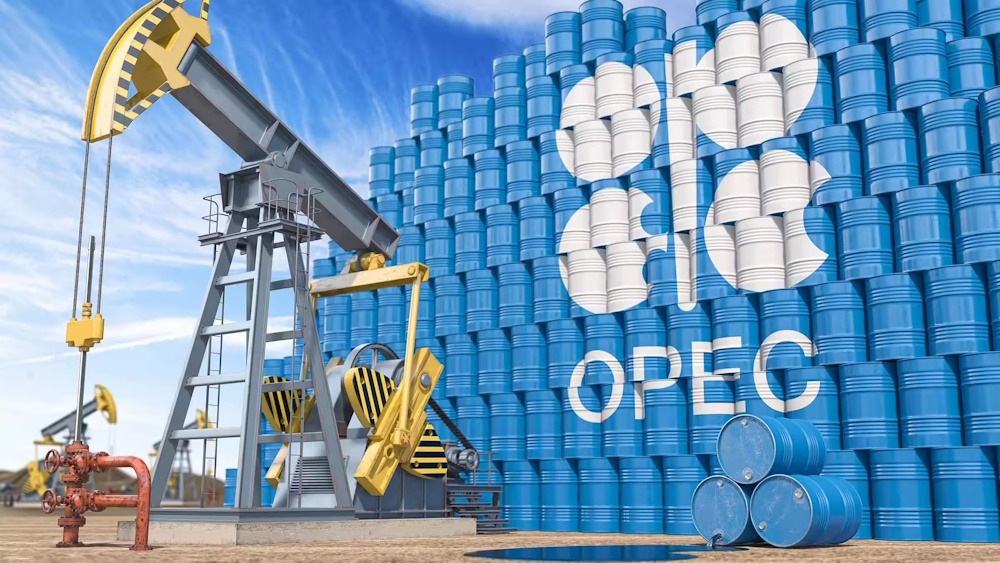
Oil prices experienced a slight increase on Wednesday morning following three consecutive days of decline. Market sources attributed this uptick to a reduction in U.S. crude inventories. However, investor apprehensions regarding sanctions on Russia and the possibility of an output increase by OPEC+ limited the extent of the gains. Brent crude futures increased by 20 cents, representing a 0.31% rise, reaching $64.60 per barrel at 0203. U.S. West Texas Intermediate crude futures increased by 18 cents, representing a 0.3% rise, reaching $60.33. Last week, U.S. crude, gasoline, and distillate inventories experienced a decline, according to market sources referencing figures from the American Petroleum Institute released on Tuesday. Crude stocks experienced a decline of 4.02 million barrels for the week concluding on October 24, according to sources. Gasoline inventories decreased by 6.35 million barrels, whereas distillate inventories declined by 4.36 million barrels compared to the previous week, according to the sources.
According to a note the larger-than-anticipated draws resulted in a temporary increase in prices during the most recent trading session. The unexpected draw on U.S. inventories contributed to price increases this morning; however, the dynamics of sanctions risks and OPEC+’s stance are influencing market movements, according to Priyanka Sachdeva. “That does not imply the rally possesses boundless potential for growth. Because while the sanctions/supply narrative has been emphasized, the demand side continues to exhibit weakness and spare capacity persists,” Sachdeva stated. Last week, Brent and WTI experienced their most significant weekly increases since June, following the imposition of Ukraine-related sanctions on Russia by U.S. President Donald Trump for the first time in his second term, specifically aimed at major oil companies Lukoil and Rosneft.
Nonetheless, skepticism regarding the effectiveness of sanctions to counterbalance oversupply, coupled with discussions of a potential increase in OPEC+ output, exerted downward pressure on prices; both benchmarks declined by 1.9%, or over $1, in the prior session. On Tuesday, the Kremlin stated that Russia provided high-quality energy at a competitive price, allowing its partners to determine independently whether to purchase its energy following the imposition of U.S. sanctions. Numerous Indian refiners have suspended new orders for Russian oil, seeking clarity from both the government and suppliers. Some are exploring the spot market for alternative options, according to industry sources. Nonetheless, state-operated Indian Oil announced on Tuesday that it would continue purchasing Russian oil, provided it adheres to the sanctions in place. The U.S. government has issued formal guarantees that Rosneft’s operations in Germany will be free from sanctions, as the assets are no longer under the control of Russia, according to the German economy minister.
OPEC+, the preeminent coalition of oil-producing countries, appears to be favoring a slight increase in production for December, according to four sources acquainted with the discussions, with two sources indicating an increment of 137,000 barrels per day. On Tuesday, the CEO of Aramco indicated that crude oil demand remained robust prior to the imposition of sanctions on Russian oil majors, with Chinese demand also exhibiting strength. As the week progresses, the anticipated Federal Reserve rate decision alongside a meeting between U.S. and China leaders may bolster market sentiment.