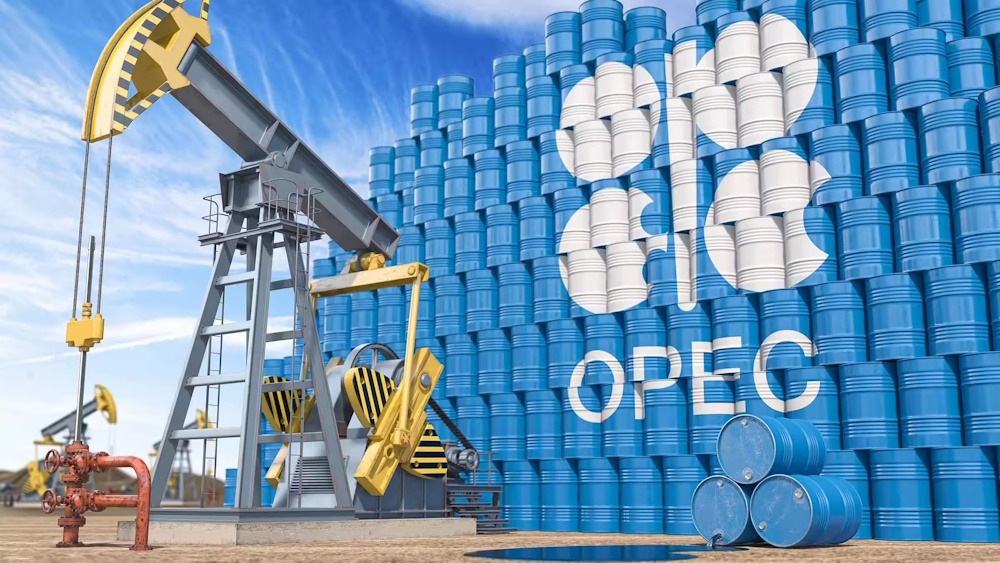
Oil prices rose on Tuesday following OPEC+’s decision to boost production, by a smaller margin than expected by market participants. Meanwhile, worries about tighter supply stemming from possible new sanctions on Russia continued to provide support. Brent crude increased by 22 cents, or 0.33%, reaching $66.24 a barrel at 0005 GMT, while U.S. West Texas Intermediate crude rose by 24 cents, or 0.39%, to $62.50 a barrel.
On Sunday, eight members of the Organization of the Petroleum Exporting Countries and their allies, referred to as OPEC+, reached an agreement to increase production by 137,000 barrels per day starting in October. The monthly increases for September and August were approximately 555,000 bpd, while July and June saw increases of 411,000 bpd, which is significantly higher than the current figure. It falls short of the expectations set by certain analysts. According to Daniel Hynes, the October move signifies the reversal of cuts that were intended to stay in effect until the end of 2026, due to the swift return of the earlier batch of idled barrels in recent months.
Prices received a boost from speculation regarding potential additional sanctions on Russia following the nation’s largest airstrike on Ukraine, which ignited a government building in Kyiv. U.S. President Donald Trump indicated his preparedness to advance to a subsequent stage of limitations. The leading sanctions authority from the European Union visited Washington accompanied by a group of specialists to deliberate on the initial synchronized transatlantic actions against Russia following Trump’s return to the presidency.
Additional sanctions on Russia would reduce its oil supply to international markets, potentially leading to an increase in oil prices. The U.S. Federal Reserve’s Federal Open Market Committee is set to convene next week, with traders anticipating an 89.4% likelihood of a quarter-point interest rate reduction. Decreased rates lessen the expense of borrowing for consumers, potentially enhancing economic expansion and increasing the demand for oil.