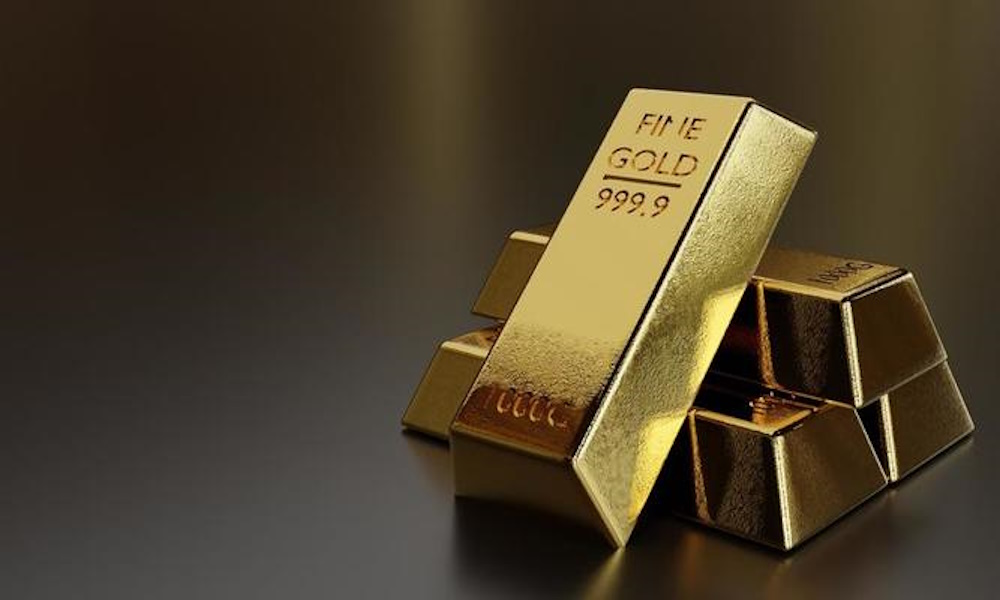
Gold remained unchanged in early Asian trading on Friday, poised for a weekly decline, influenced by a generally stronger dollar and robust U.S. economic indicators. Spot gold remained unchanged at $3,339.22 per ounce, as of 0038 GMT. U.S. gold futures remained unchanged at $3,344.70. Bullion has experienced a decline of 0.5% this week.
The dollar index declined by 0.3% against its counterparts on the day, yet it was on track for a second consecutive week of gains, resulting in higher costs for bullion priced in dollars for holders of other currencies. Data released on Thursday indicated that U.S. retail sales experienced a greater-than-anticipated increase in June, rising by 0.6% following an unrevised decline of 0.9% in May.
U.S. initial jobless claims demonstrated a more favorable outcome than anticipated, decreasing by 7,000 to a seasonally adjusted 221,000 for the week ending July 12, according to the data presented. Forecasts from economists surveyed by Reuters indicated 235,000 claims for the most recent week. The robust economic indicators indicated that the largest economy globally continued to maintain a stable position, reinforcing the Federal Reserve’s reluctance to reinstate monetary policy easing. Fed Governor Christopher Waller maintains his stance that the U.S. central bank ought to reduce interest rates at the end of this month, given the increasing risks to the economy.
Gold, frequently viewed as a refuge amid economic instability, typically performs favorably in a low-interest-rate context. In June, Switzerland experienced a significant increase in gold exports, rising 44% month on month, reaching the highest level since March. This surge was attributed to the movement of bullion returning to UK vaults from the U.S. through SwissGol refineries, according to data from Swiss customs.
Spot silver increased by 0.1% to reach $38.13 per ounce. Platinum increased by 0.5% to $1,465.20, while palladium also saw a 0.5% rise, reaching $1,286