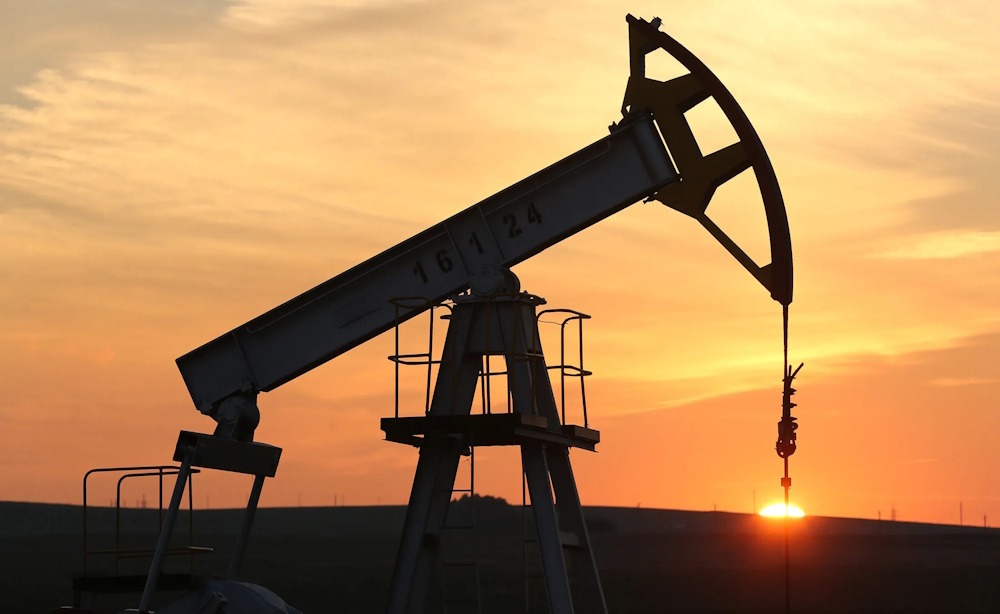
Oil prices increased approximately 2% on Tuesday, building on the significant gains from the prior session to reach their highest point in four weeks. This rise comes amid escalating tensions between the United States and Iran, which have sparked renewed worries regarding global energy supplies. Brent crude futures increased by $1.68, representing a 2% rise, reaching $84.98 per barrel. Meanwhile, U.S. West Texas Intermediate crude saw an uptick of $1.65, or 2.1%, bringing it to $79.79 per barrel. On Monday, Brent experienced a notable increase of 9.6% as tensions continued to escalate. Crude prices have reached their peak since the United States and Iran formalised a memorandum of understanding aimed at concluding hostilities on June 17. The recent increases followed the United States’ reimplementation of its naval blockade against Iran, alongside heightened military activities from both nations in the vicinity of the Strait of Hormuz. This escalation has intensified concerns regarding the safety of a vital oil transportation corridor globally.
On Monday, two tankers from the United Arab Emirates were hit by Iranian cruise missiles while navigating the southern lane of the Strait of Hormuz, within Omani territorial waters, as reported by the UAE Ministry of Defence. The attack resulted in the death of one Indian crew member and injuries to eight others. Simultaneously, U.S. President Donald Trump stated that the United States had reinstated its blockade of Iranian shipping and emphasised that Washington should be compensated by countries profiting from its initiatives to ensure safe passage through the Strait of Hormuz. Military action persisted on the ground. U.S. Central Command announced it conducted a third consecutive night of strikes targeting Iran. Meanwhile, Iran’s semi-official YJC news agency reported seven explosions occurring in the port city of Bandar Abbas, along with two additional explosions on Kish Island early Tuesday.
In a notable development within the region, Yemen’s Houthi movement has initiated missile strikes against Saudi Arabia, following allegations that the kingdom conducted airstrikes on an airport under Houthi control on Monday. Anindya Banerjee, stated that markets are responding less to the strikes themselves and more to the hindrance in diplomatic efforts. Tehran has established preconditions for the resumption of negotiations, and each new exchange further postpones the normalisation of tanker traffic through the Strait of Hormuz, which was already functioning at levels significantly lower than those observed prior to the conflict escalation. He stated that this has resulted in a reconstruction of the geopolitical risk premium, with Brent crude currently examining the upper limit of Kotak Securities’ $70 to $80 base-case range. If hostilities persist and shipping conditions deteriorate further, prices may rise to the range of $85-90 per barrel.
However, Banerjee added that the base-case scenario remains a contained conflict rather than a complete shutdown of the waterway, as Washington seeks lower oil prices ahead of the midterm elections, Tehran continues to pursue sanctions relief, and mediation efforts by Qatar remain active. Even so, he stated that the outlook for crude continues to lean towards the upside as long as uncertainty regarding oil shipments remains. Nuvama Institutional Equities cautioned that an extended closure of the Strait of Hormuz could impede nearly 20 million barrels per day of crude flows. In this context, oil prices may rise to a range of $110 to $150 per barrel. Last month, Saudi Aramco Chief Executive Officer Amin Nasser warned that any extended disruption in the Strait of Hormuz could postpone the restoration of stability to global oil markets until 2027. He stated that a prolonged disruption could impact approximately 100 million barrels of oil supply on a weekly basis.