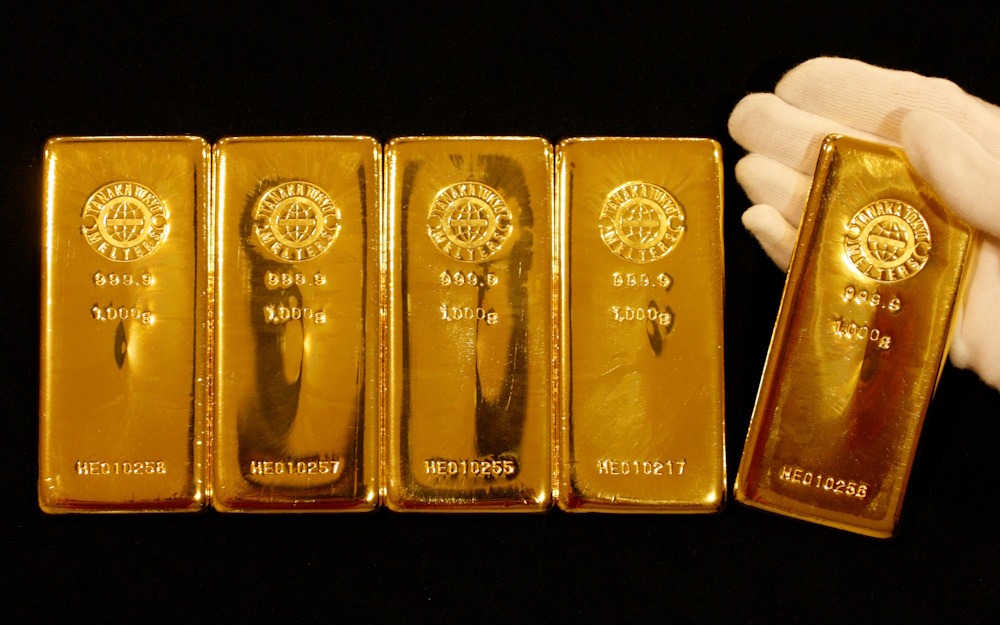
Gold prices continued to rise on Thursday, following a peak not seen in over a week during the prior session. This upward movement came as investors assessed weaker-than-anticipated employment figures, with declining oil prices providing further support to the precious metal. Spot gold rose 0.8% to $4,063.56 per ounce, as of 0103, after reaching a peak of $4,114.99 per ounce on Wednesday, marking its highest level since June 23. U.S. gold futures for August delivery decreased by 0.2%, settling at $4,075.60.
Private employment increased by 98,000 jobs last month, following an unrevised gain of 122,000 in May, as indicated by the ADP national employment report. Economists had predicted an increase in private employment of 118,000. Oil prices declined following the conclusion of a round of indirect talks between Iran and the United States on Wednesday, which centred on the Strait of Hormuz, yet progress towards a sustainable peace remained minimal. Elevated oil prices and a robust labour market may heighten concerns regarding inflation and the persistence of elevated interest rates.
Gold, often regarded as a safeguard against inflation, diminishes in attractiveness as a non-yielding asset when interest rates are elevated. Federal Reserve Chairman Kevin Warsh stated on Wednesday his commitment to maintaining the U.S. central bank’s 2% inflation target, yet provided scant insight regarding his outlook on the trajectory of monetary policy or the economy. Traders are assigning approximately a 64% probability to a rate hike in September, as indicated by the CME FedWatch Tool, which mirrors the strengthening expectations of a more restrictive monetary policy.
Investors are currently focused on the nonfarm payroll data for June, set to be released later today, as it may provide additional insights into the Federal Reserve’s monetary policy trajectory, potentially influencing short-term fluctuations in gold. Spot silver rose 1% to $59.76 per ounce, platinum gained 0.4% to $1,583.05, and palladium added 1.1% to $1,223.80.