Oil prices experienced a decline in early trading on Friday, reflecting a downturn over a week marked by volatility. This movement followed statements from U.S. President Donald Trump, who indicated that negotiations with Iran aimed at resolving the conflict were progressing positively and declared a temporary halt to strikes on the nation’s energy facilities for a period of 10 days. Brent futures declined by 90 cents, representing a 0.8% decrease, settling at $107.11 per barrel as of 0024. Meanwhile, U.S. West Texas Intermediate futures decreased by 83 cents, or 0.88%, to $93.65 per barrel, thereby reducing the gains achieved in a previously optimistic trading session.
On Thursday, Brent experienced an increase of 5.7%, while WTI saw a rise of 4.6%, driven by concerns over the potential escalation of the conflict. However, it is noteworthy that the trading volume for the front-month Brent contract reached its lowest level since February 27, the day preceding the commencement of strikes on Iran by the United States and Israel. However, Brent is on track for its first weekly decline in six weeks, while WTI has experienced a second consecutive week of decline, coinciding with Trump’s discussions regarding the potential cessation of the conflict. “As per Iranian Government request … I am pausing the period of Energy Plant destruction by 10 Days to Monday, April 6, 2026, at 8 P.M., Eastern Time,” Trump said in a post on Truth Social on Thursday.
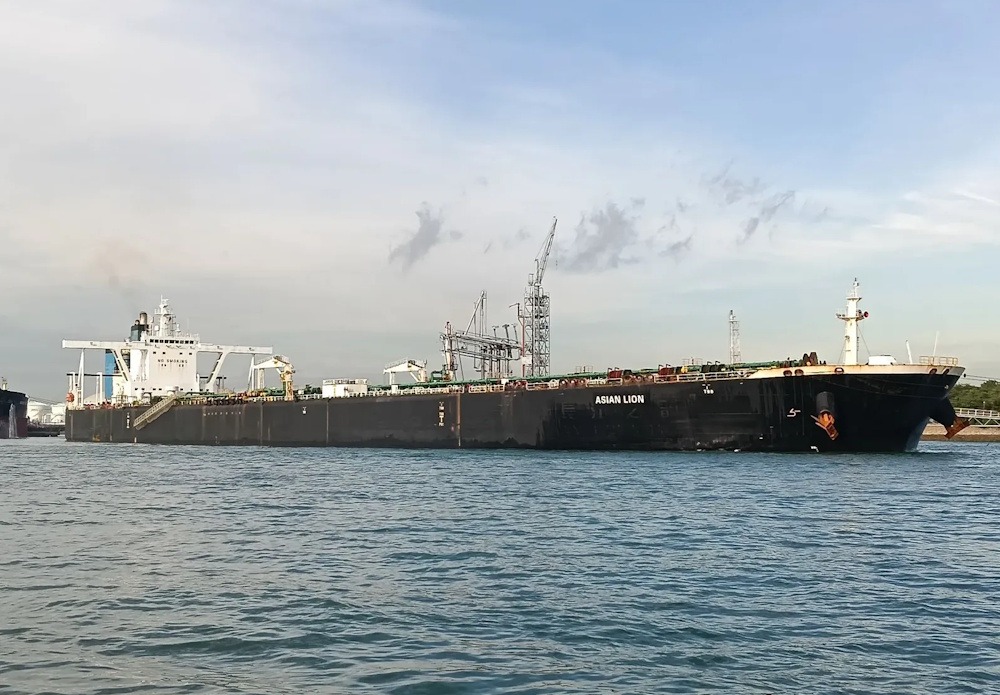
A senior Iranian official informed that a 15-point proposal from the U.S., communicated to Tehran through Pakistan, was thoroughly examined on Wednesday by high-ranking Iranian officials alongside the representative of Iran’s supreme leader. The official characterized the plan as “one-side and unfair”. The U.S. president stated on Thursday that Iran was permitting 10 oil tankers to transit the Strait of Hormuz as a gesture of goodwill in ongoing negotiations. He stated that the vessels were flagged under Pakistan. However, the U.S. has also deployed thousands of troops to the Middle East, with Trump considering the option of utilizing ground forces to capture Iran’s strategic oil hub of Kharg Island.
The ongoing conflict has significantly disrupted shipments via the Strait of Hormuz, a critical conduit for approximately 20% of global crude oil and LNG supplies. International Energy Agency chief Fatih Birol has characterized the current crisis as more severe than the oil shocks experienced in the 1970s, in addition to the cumulative effects of the Russia-Ukraine war on gas supplies. The conflict involving Iran has resulted in a reduction of 11 million barrels of oil per day from the global supply. Today, the markets do not anticipate a significant impact, especially regarding oil. “If you look at the forward curve, they’re assuming this will end quite fast and things will stabilise quite quickly,” said Shemara Wikramanayake.