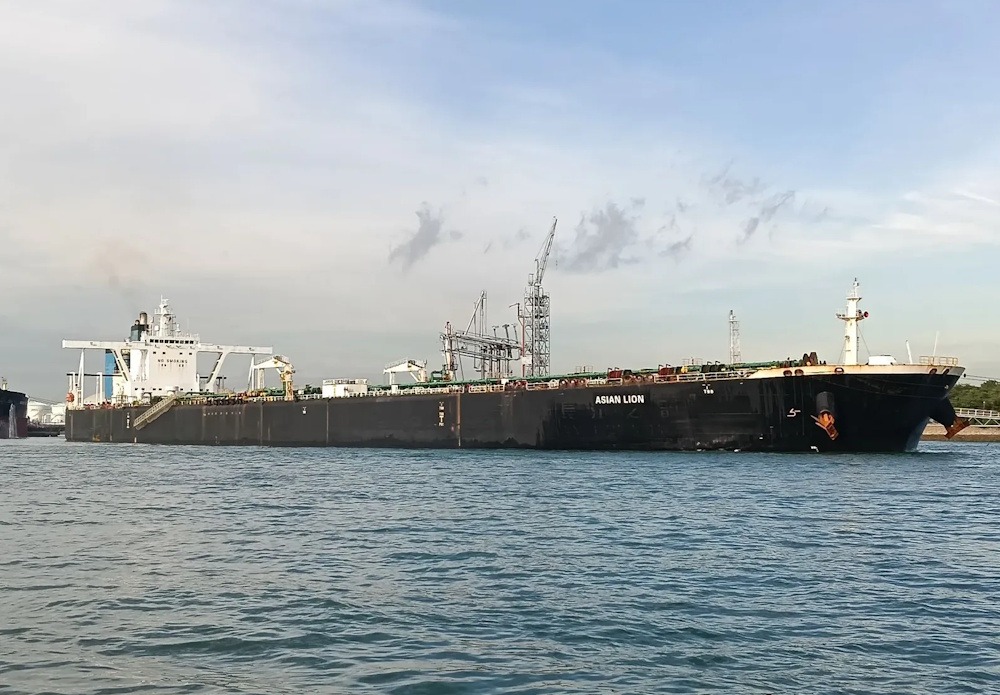
Oil prices experienced a decline as traders evaluated new diplomatic initiatives in West Asia aimed at averting a potential renewal of US military actions against Iran. Diplomatic developments exerted pressure on prices, as Iranian Foreign Minister Abbas Araghchi stated that Tehran continued to be receptive to negotiations. Source reported that US Vice President JD Vance had reached out to Mohsen Rezaei, the secretary of Iran’s highest security body. Brent crude declined to $114.40 a barrel during early Asian trading, following an increase of over 1% in the prior session. West Texas Intermediate, the US benchmark, dropped 1% to $102 a barrel. US President Donald Trump conveyed to Axios on Wednesday that mediators were facilitating communication between the two parties, though he expressed uncertainty regarding the potential success of the negotiations.
Despite Thursday’s decline, Brent has gained 11% this month, reaching its highest level since April as the conflict persisted. Increasing oil prices have exerted pressure on consumers and complicated the efforts of central banks to manage inflation. The US Federal Reserve maintained its current interest rates this week, as market participants seemed to anticipate a return to tightening measures in December. Trump has consistently indicated that military operations against Tehran may be reinstated following the US midterm elections, set for November 3, possibly in conjunction with Israel. Source reported that US officials requested several West Asian countries and regional allies to prepare for renewed military action following the midterms. Concerns regarding the intensification of Houthi attacks and the potential for a US military response against Iran following the elections have contributed to heightened uncertainty within the oil market. The coalition led by Saudi Arabia engaged in combat against Yemen’s Houthis reported the successful destruction of a ballistic missile launched by the group targeting the eastern region of Saudi Arabia early on Thursday.
Hostilities between the two sides have persisted, exhibiting no indications of abatement. The Yemeni government forces reported that the Houthis launched an attack on Aden airport on Wednesday. The strike ensued after the group’s assertion the previous day that it had aimed a missile at Saudi Arabia’s largest oil refinery located at Ras Tanura. The attacks signify a heightened level of aggression directed at Saudi Arabia, which holds the position of the world’s second-largest crude producer, following the United States. Saudi authorities had not yet provided confirmation regarding the reported strike on the facility, which possesses a capacity of 550,000 barrels per day. Meanwhile, Qatari mediators have put forth a new draft proposal to Iran aimed at resolving the conflict involving the US and Israel, as reported by an official familiar with the negotiations. However, a senior Iranian official dismissed the proposals, characterising them as unacceptable notions that failed to represent a genuine offer. The uncertain trajectory of the conflict continues to complicate the outlook for oil prices. Analysts indicated that evaluating the progression of the war continues to pose significant challenges.
At the onset of the conflict, the bank anticipated that the US administration would refrain from surpassing specific economic thresholds. Seven months later, numerous boundaries had been surpassed, yet a definitive strategy for resolving the conflict continued to be lacking. The prospect of additional supply disruptions has bolstered anticipations of elevated oil prices. Daan Struyven noted that recent attacks have underscored the risk of shipping disruptions escalating and proliferating. Goldman Sachs has delineated a scenario where oil prices may ascend to $120 a barrel should assaults on vessels in the Middle East escalate. However, prices could decline toward $80 a barrel if exports return to normal. Struyven indicated that shipping risks have emerged as a critical determinant affecting oil prices, and the bank anticipates considerable upside potential for crude. Goldman Sachs anticipates an increase in natural gas and refined fuel prices, highlighting that supply shocks exert a more significant influence on gas and refined products compared to crude oil.