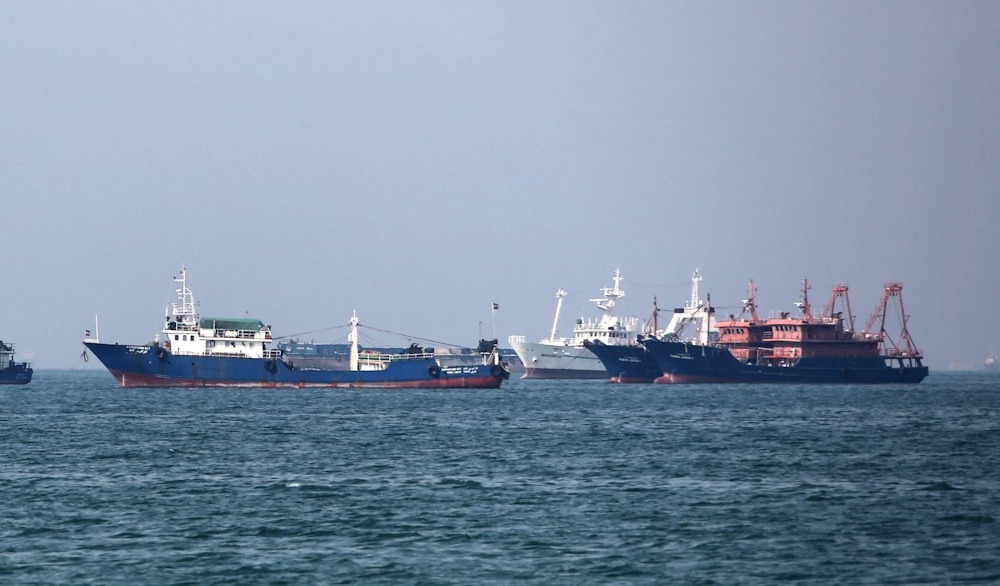
Oil prices extended losses on Thursday, erasing all gains attributed to the Iran conflict, as tankers stranded near the Strait of Hormuz resumed transit following an initial agreement aimed at concluding the U.S.-Israeli war with Iran, which alleviated concerns regarding potential supply disruptions. U.S. Energy Secretary Chris Wright stated on Wednesday that oil flows through the Strait of Hormuz had nearly reverted to the levels observed prior to the onset of the Iran war. Speaking at a forum, he stated that at least 20 million barrels had transited through the strait in the preceding 24 hours. However, he observed that a complete resumption of normal operations may require several weeks as demining efforts in the region persist.
Brent crude has fallen below $73 a barrel for the first time since February 27, 2026. It reached a peak of $126 per barrel on April 30 and has since declined by 42% from that point. Brent crude futures for August delivery decreased by 1.40 cents, representing a 2% decline, settling at $72.40 per barrel. Meanwhile, U.S. West Texas Intermediate crude saw a reduction of 1.2 cents, or 1.6%, bringing the price to $69 per barrel. Brent experienced a decline of over $3 on Wednesday as concerns regarding supply disruptions diminished, while WTI concluded the day nearly $3 lower. The initial agreement reached last week to conclude the U.S.-Israeli conflict with Iran, which commenced on February 28, has facilitated the resumption of shipping traffic through the strait. The agreement stipulates a 60-day negotiation timeframe designed to tackle more intricate matters, including Iran’s nuclear program. Wright stated that oil shipments would persist through the strait, even in the event of a breakdown of the agreement, emphasising that Iran would not have the capacity to close the waterway once more.
On Wednesday, Oman implemented temporary routes aimed at easing tanker movements from the Strait of Hormuz, with coordination between the International Maritime Organization and Omani authorities to manage vessel traffic. Qatar’s prime minister additionally travelled to Oman to engage in discussions regarding the initiation of negotiations that would encompass Iran, Iraq, and Gulf states concerning the prospective governance of the strait. Despite the recent decline in oil prices, a full reopening of Hormuz is anticipated to be a multifaceted endeavour. It will necessitate meticulous coordination of vessel movements, the resumption of oil well operations, infrastructure repairs, and consensus on de-mining activities. Some shipowners continue to express caution regarding the operational conditions in the strait and the broader Persian Gulf.
Analysts observe that global oil inventories experienced depletion due to the prolonged disruption of shipping through the Strait of Hormuz, indicating that a recovery period will be necessary for replenishment. Stockpiles may persist in their decline until new supplies from the Gulf start to flow into international markets. Last month, Saudi Aramco Chief Executive Officer Amin Nasser warned that disruptions in the Strait of Hormuz might postpone a return to stability in global oil markets until 2027. According to Nasser, extended disruptions could impact nearly 100 million barrels of oil supply on a weekly basis. Saudi Aramco continues to hold the position as the largest oil producer globally.