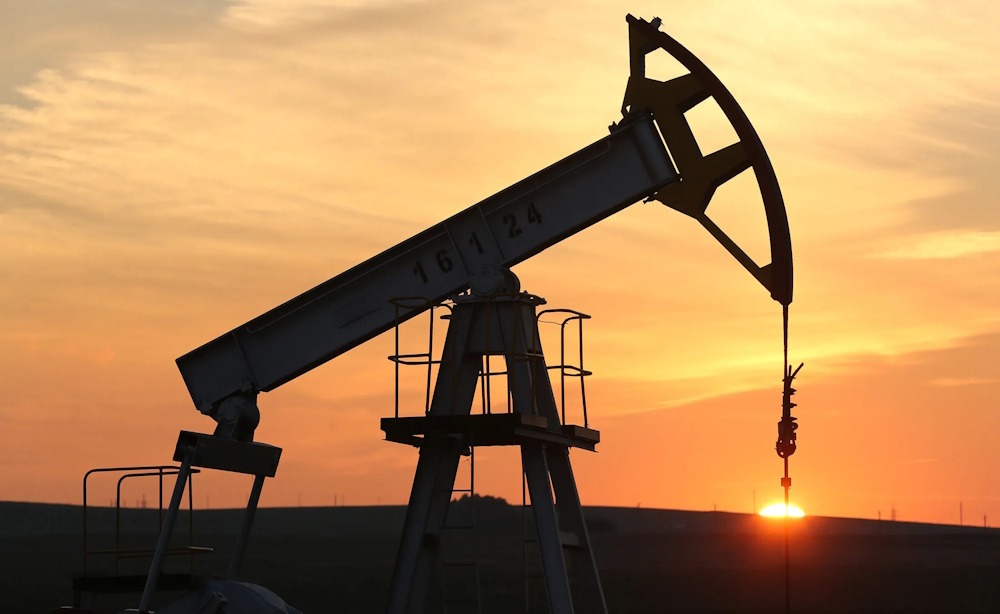
Oil prices surged over $3 a barrel on Monday following Israel’s recent strikes on Lebanon on Sunday, even in the context of a prevailing ceasefire between the nations. The renewed escalation has extinguished hopes for a resolution to the wider regional conflict and heightened worries regarding the potential resumption of crude shipments via the Strait of Hormuz. Brent crude futures increased by $3.20, reflecting a rise of 3.39%, reaching $96.24 per barrel. Meanwhile, U.S. crude futures saw an uptick of $2.87, or 3.17%, bringing the price to $93.41 per barrel as of 0333. The recent attacks are perceived as yet another hurdle to a possible peace agreement between the U.S. and Iran, as well as the reopening of the Strait of Hormuz, which is crucial for the global oil and gas supply chain. Iran has asserted that a ceasefire involving Lebanon is essential for any peace agreement with Washington.
Tehran’s response to the strikes in Beirut, which targeted its ally Hezbollah, involved launching missiles at Israel. U.S. President Donald Trump indicated that he would advise Israeli Prime Minister Benjamin Netanyahu to refrain from initiating a retaliatory action against Iran. Israel commenced its operations in Lebanon in March following the launch of rockets and drones across the border by Iran-backed Hezbollah. Following negotiations in Washington, Israel and Lebanon declared a ceasefire on June 3. The two sides had previously reached an accord to cease hostilities in April; however, confrontations persisted despite this agreement. The broader conflict has largely remained on hold since the U.S. and Israel halted their operations against Iran in early April. However, Tehran has maintained restrictions on the majority of shipping operations through the Strait of Hormuz.
In light of the ongoing supply disruptions, OPEC+ has sanctioned its fourth consecutive oil output increase as of Sunday. Experts, however, indicated that the action is improbable to substantially alleviate market apprehensions, as numerous OPEC+ producers continue to struggle in achieving production goals due to the Hormuz disruption. Haitong Futures indicated that crude prices may approach the upper limit of their trading range, driven by tighter supply-demand dynamics alongside a swift decrease in global oil inventories. Experts indicated that even with a ceasefire in place, it may take months for shipping through the Strait of Hormuz to return to normal operations. Any damage to energy infrastructure could further impede the recovery process.
Last month, Saudi Aramco Chief Executive Officer Amin Nasser warned that disruptions in the Strait of Hormuz might delay stability in global oil markets until 2027. He stated that extended interruptions could impact almost 100 million barrels of oil supply on a weekly basis. Saudi Aramco continues to hold its position as the leading oil producer globally. Morgan Stanley characterised the oil market as being in “a race against time,” cautioning that the elements currently restraining a more significant increase in crude prices could start to diminish if the Strait of Hormuz remains closed through June. The broking observed that heightened U.S. crude exports, coupled with diminished demand from China, have contributed to mitigating a portion of the supply shock. However, it cautioned that an extended shutdown of the crucial shipping lane could once again constrict global supplies, especially if the disruption persists beyond the timeframe in which the U.S. and China can mitigate the effects.